Sarah’s Field Notes
Welcome to the donor only page …
An exclusive inside look for Bee Girl Organization / Bee Regenerative donors (that’s you) - observations, musings, and mind wanderings from founder and co-director, Sarah Red-Laird (that’s me)!

An exclusive inside look for Bee Girl Organization / Bee Regenerative donors (that’s you) - observations, musings, and mind wanderings from founder and co-director, Sarah Red-Laird (that’s me)!
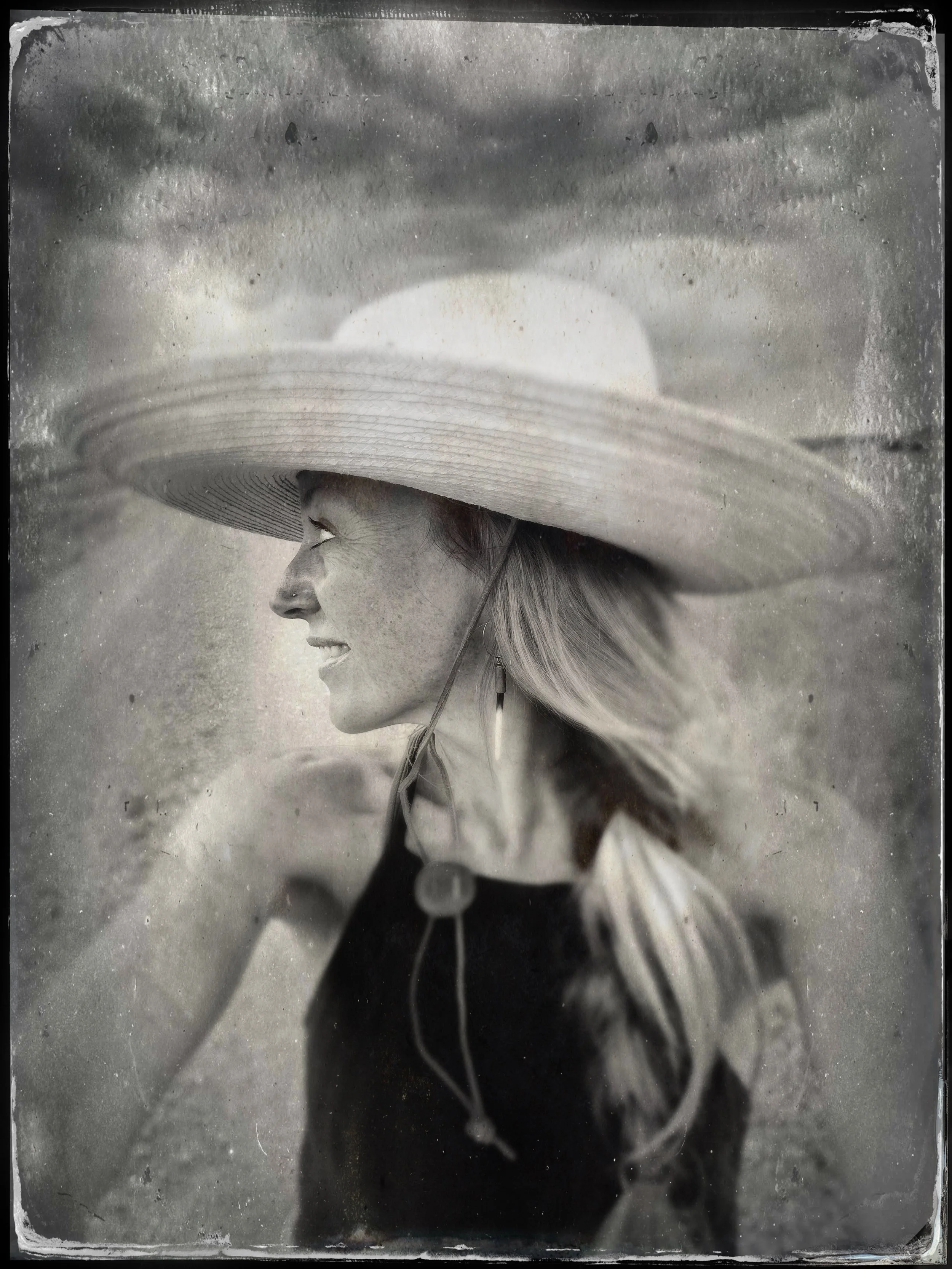
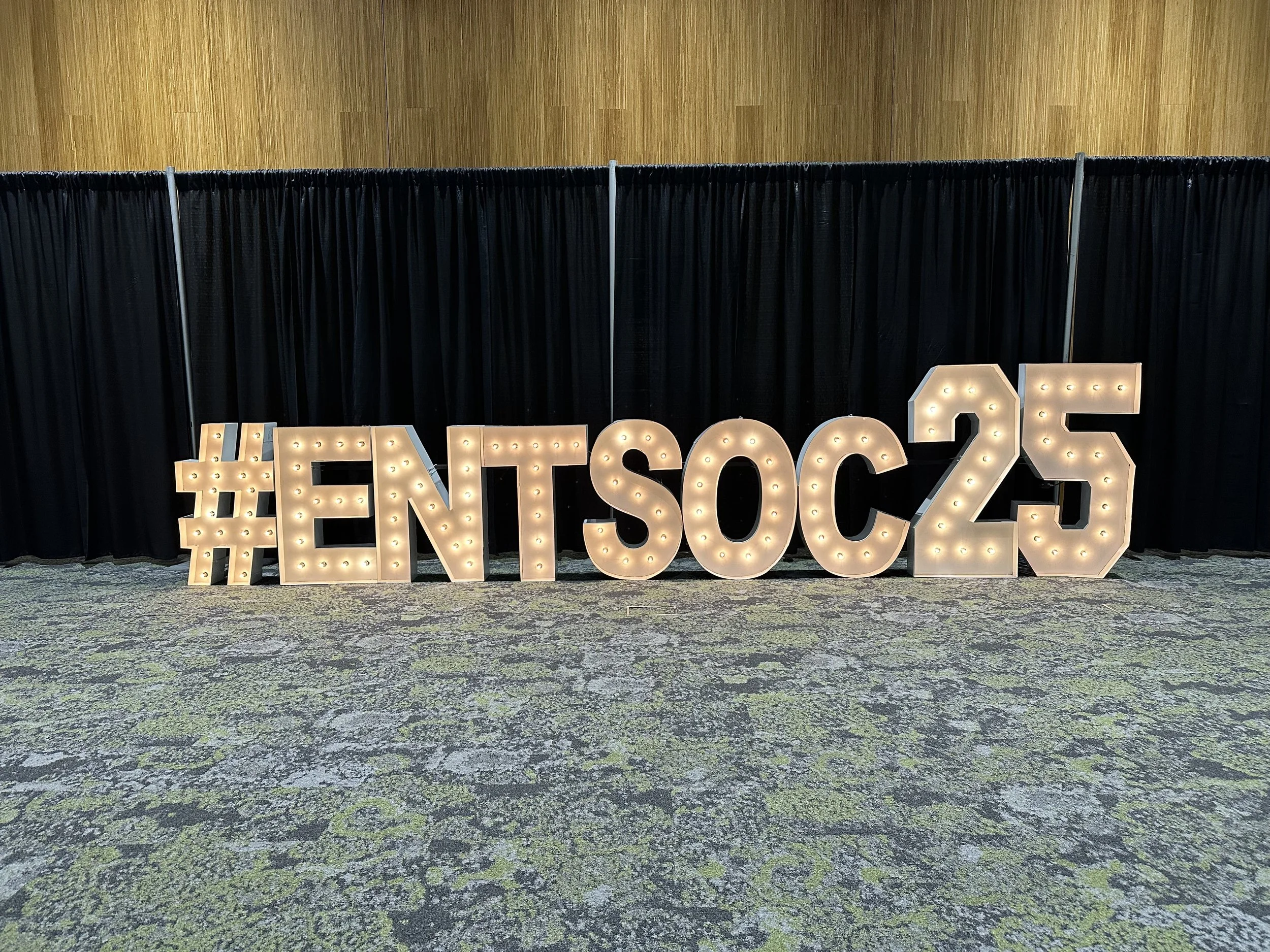
I just got back from the Entomological Society of America's annual meeting in Portland, and friends, I need to tell you about it. Because when I tell people I went to an entomology conference, they picture stuffy academics in beige blazers presenting PowerPoints in fluorescent-lit hotel ballrooms.
They are SO WRONG.
Here are my top 10 favorite things from a week spent with the coolest, kindest, most fashion-forward bug nerds on the planet:
1. The FASHION 🐛✨
Listen. I thought I was going to a science conference. What I actually attended was apparently New York Fashion Week: Insect Edition.
Repeating beetle patterns on button-up shirts. Skirts COVERED in marching ants. Blouses featuring entire bee colonies. Earrings shaped like katydids. Socks with anatomically correct insect illustrations. One person wore pants with a giant praying mantis printed across both legs.
It was high fashion. It was bold. It was unapologetic.
I have never felt so under-dressed in my life, and I loved every second of it. Note to self: step up the bug-patterned wardrobe game for next year.
2. The DRAG SHOW (That I Tragically Missed) 🦋🎭
Okay, so apparently there was a drag show where entomologists dressed as the insects they study.
IT SOLD OUT IMMEDIATELY.
I did not get tickets.
From what I heard, it was completely unhinged, absolutely spectacular, and exactly what you'd hope for when scientists who spend their lives studying bugs get to perform as those bugs.
There were allegedly moth queens. Beetle divas. A very committed molting crane fly performance.
Next year, I'm camping out for tickets. This is not a drill. If you're reading this and you were there, please send photos. I need to live vicariously.
3. How Ridiculously KIND Everyone Was 💛
Here's the thing nobody tells you about academia: it has a reputation for being cutthroat, competitive, and full of people guarding their research like dragons hoarding gold.
The entomology community did not get that memo.
Everyone I met was warm, supportive, genuinely excited to hear about each other's work, and eager to help. People swapped contacts, offered to share data, introduced me to collaborators, and celebrated each other's successes.
It felt like... community. Like we were all in this together—figuring out how to save pollinators, understand ecosystems, and make the world a little better, one bee at a time.
Growing up, I had a very different impression of what academia would be like. Being a field biologist working outside traditional academic structures, I wasn't sure I'd be welcomed. But everyone—from grad students to tenured professors—made me feel like I belonged.
And honestly? That means everything.
4. The Undergraduate Students Who Thought I Was Cool 🤓
I gave a talk on our Bison & Bee Habitat Project (more on that response in a minute), and afterwards, my friend Rachel—who now runs her own lab—came up to say hi. She had a little squad of undergraduate students with her.
One of them looked at her, eyes wide, and whispered: "Oh my god. You KNOW her?"
Reader, I blushed.
It was such a gift to talk with those students and show them that you can be a scientist, study insects, do field research, and make an impact without following the traditional academic path. You don't need a tenure-track position to contribute to science. You don't need a PhD to matter in this field.
(Though if you want those things, go for it! No shade to academia—just saying there are multiple roads to the same destination.)
Seeing those students' faces light up when they realized there were different ways to build a career in entomology? That's the stuff that fuels me for months.
5. The Collaboration Conversations 🤝
I had SO many conversations with other entomologists studying pollinators in grassland ecosystems, bees on grazed lands, and the intersection of livestock and native insects.
And the vibe wasn't "I'm going to protect my research ideas." It was "OH MY GOD, you're working on this too?! How can we help each other?"
People wanted to share data. Compare methodologies. Talk about co-authoring papers. Brainstorm grant applications together.
The collaborative energy was chef's kiss.
If you're a rancher reading this and wondering whether scientists actually care about making their research practical and applicable to working lands—YES. Yes, they do. And they're hungry for partnerships with people like you.
6. Seeing Old Friends Who Are Still Bee Obsessed 🐝
I got to catch up with friends I've known for over a decade—people I met back when we were all just getting started in beekeeping and honeybee research.
And here's what's wild: Most of us have morphed our careers to focus not just on honeybees, but on native bees too. We've all expanded our scope, deepened our questions, and stayed committed to this work.
There's something beautiful about growing alongside people—watching each other's careers evolve, celebrating milestones, commiserating over funding challenges, and still getting genuinely giddy talking about bees after all these years.
These friendships are one of the greatest gifts of this work.
7. The Fascinating (and Complicated) World of Nonlethal Bee Sampling 🔬
Okay, this one's a little nerdy, but stick with me.
There's growing interest in studying bees without killing them. Which sounds great in theory! Who doesn't want a catch-and-release model for bee research?
But it turns out it's really, really complicated.
Some researchers are experimenting with:
eDNA (collecting genetic material from flowers or nests)
Catch-and-release with photo ID (take detailed photos, then let them go)
Clipping tiny bits (a toe, piece of antenna, wing edge) for DNA analysis
But here's the problem:
DNA databases for bees are incomplete, so you can't always ID species from genetic material alone
If you trap and release a bee, she might get disoriented and not make it back to her nest
If you clip part of a bee, it might suffer or die anyway
We don't have standardized protocols yet, so comparing data across studies is hard
The jury is still out. But I'm glad we're having these conversations, thinking critically about ethics, and working toward more humane methods.
Science is a process. We're figuring it out together.
8. The Complete Lack of Gatekeeping 🚪❌
I didn't encounter a single glass ceiling.
Not one person made me feel like I didn't belong because I'm not affiliated with a university. Not one person dismissed my work because it's happening on working ranches instead of research stations.
Instead, I got:
USDA scientists offering to collaborate
Academics excited to cite our findings
Graduate students asking about our methods, especially the social science aspect of our work
Professors inviting me to guest lecture or asking if their students could meet me in the field
The vibe was: "We're all trying to understand bees and ecosystems. Let's share what we know and make each other's work better."
That openness? That generosity? That makes my little nerd heart SO HAPPY.
9. Validation That This Work MATTERS ✅
Here's a secret fear I carry: What if I'm just doing this work because I love it, but it doesn't actually matter to anyone else?
What if I'm chasing bees across the West, living in a campervan, spending 11,590 miles a year on dirt roads... just because it's my dream, not because the world actually needs it?
But being at this conference—hearing other researchers reference similar questions, getting feedback from scientists whose work I admire, seeing presentations that align with what we're discovering—I realized:
This work is needed.
The questions Bee Regenerative is answering matter to the scientific community. They matter to agriculture. They matter to policymakers. They matter to anyone who cares about food security, functioning ecosystems, and thriving landscapes.
What we're learning about bison and bees, grazing management and pollinator diversity, working lands as refugia—it's not just my passion project. It's contributing to a body of knowledge that will shape conservation and agriculture for decades.
That reassurance? I needed it more than I realized.
10. Gratitude for Our Ranching Partners 🤠
I had several conversations with other entomologists who are trying—really trying—to build relationships with ranchers and farmers for research partnerships.
And it's HARD.
Getting access to land, building trust, navigating different vocabularies and priorities, finding common ground between conservation science and agricultural economics—it takes years.
Which made me realize (again) how incredibly lucky we are.
Our partners—the Anderson family ranches, North Bridger Bison, Dakota Partnership Ranch, American Prairie, our vineyard collaborators—they don't just tolerate our research. They're genuinely invested. They ask questions. They adjust management based on what we're learning. They invite us into their operations and their lives.
That kind of partnership is rare. It's precious. And it's the reason we can do this work at all.
So if you're one of our ranching or vineyard partners reading this: Thank you. You make the science possible. You make the impact real. And you remind me every day that conservation doesn't happen in a vacuum—it happens in relationship.
The Takeaway
The Entomological Society of America meeting reminded me why I love this work.
It's not just about the bees (though they're pretty great). It's about the people—the curious, kind, fashion-forward, drag-show-attending, collaboration-loving, gatekeeping-hating community of humans who have dedicated their lives to understanding the smallest creatures on the planet.
And somehow, miraculously, I get to be part of that community.
See you next year, bug nerds. I'll be the one in head-to-toe bee patterns, holding tickets to the drag show. 🐝✨
P.S. If you were at ESA and we crossed paths—thank you for the conversations, the encouragement, and the inspiration. If we didn't get to connect, find me next year. I'll be easy to spot: I'll finally have upgraded my insect fashion game.
P.P.S. Seriously, if anyone has photos from the drag show, my DMs are open. I need to see this.
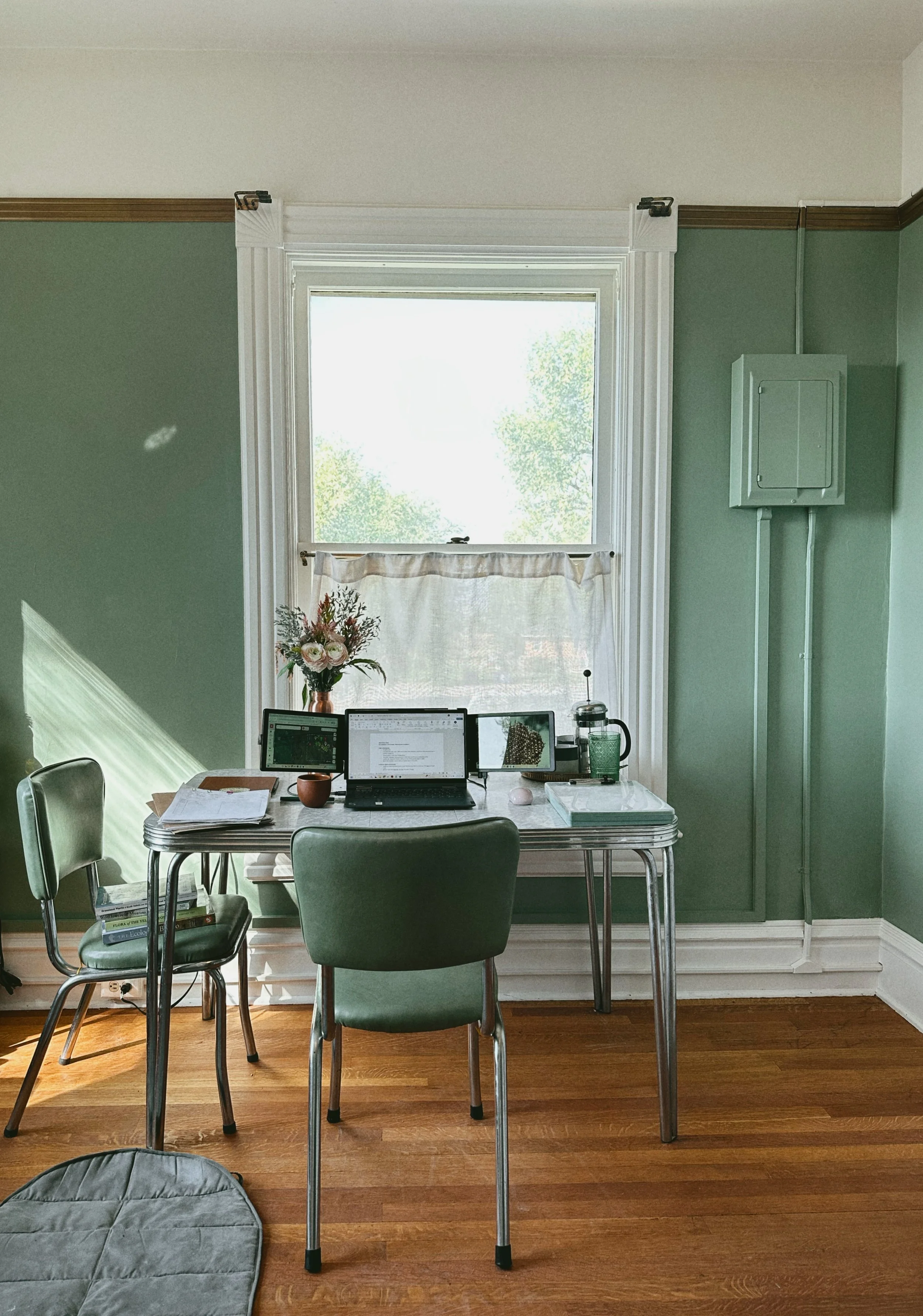
Today you find me in White Sulphur, Montana, sitting at the table once occupied by Ivan Doig where he wrote his celebrated memoir, This House of Sky: Landscapes of a Western Mind.
I just so happen to be lucky enough to be friends with Red Ants Pants founder (and total badass), Sarah Calhoun, who owns the Ringling Mansion, where this apartment is nestled in; and she was kind enough to let me stay here for a few days to wind down after the close of my field season.
I haven’t been afforded this grace period before. Upon catching my last bee and counting my last flower the last few years, I’ve thrown my bee net in the van, then gunned it for Southern Oregon to get right back to work on our vineyard projects and to fulfill friend and family commitments.
This year, there are no such commitments and I’ve handed over the brunt of vineyard work to Ginelle.
So the last few days for me have been of ease, reflection, nourishment, and hours upon hours of data entry!!
It’s been quite the transition from living in a tiny van, spending 90% of my day outside, and having all the room in the world to roam. But I have nothing but gratitude for being here, now.
Today is the autumn equinox and I just returned from a sunset dog walk with Sarah. The air is crisp, the leaves and grass are varying shades of magenta, plum, orange, and gold, and the north fork of the Smith River is clear and fresh.
One of my favorite Mary Oliver poems comes to mind —
The dream of my life
Is to lie down by a slow river
And stare at the light in the trees—
To learn something by being nothing
A little while…
Did you know a bison can clear a six foot fence (from standing) like it’s nothing?! In the video I share a story from an experience I had with the bison this week - discussing psychological barriers (the fence), communication, and being in community.
Living in community with dogs, buffalo, and bees is easy. I know what they want and how they feel, always.
If a bee doesn’t like what you’re up to - they buzz low in their thorax, if they really don’t like it - they sting!
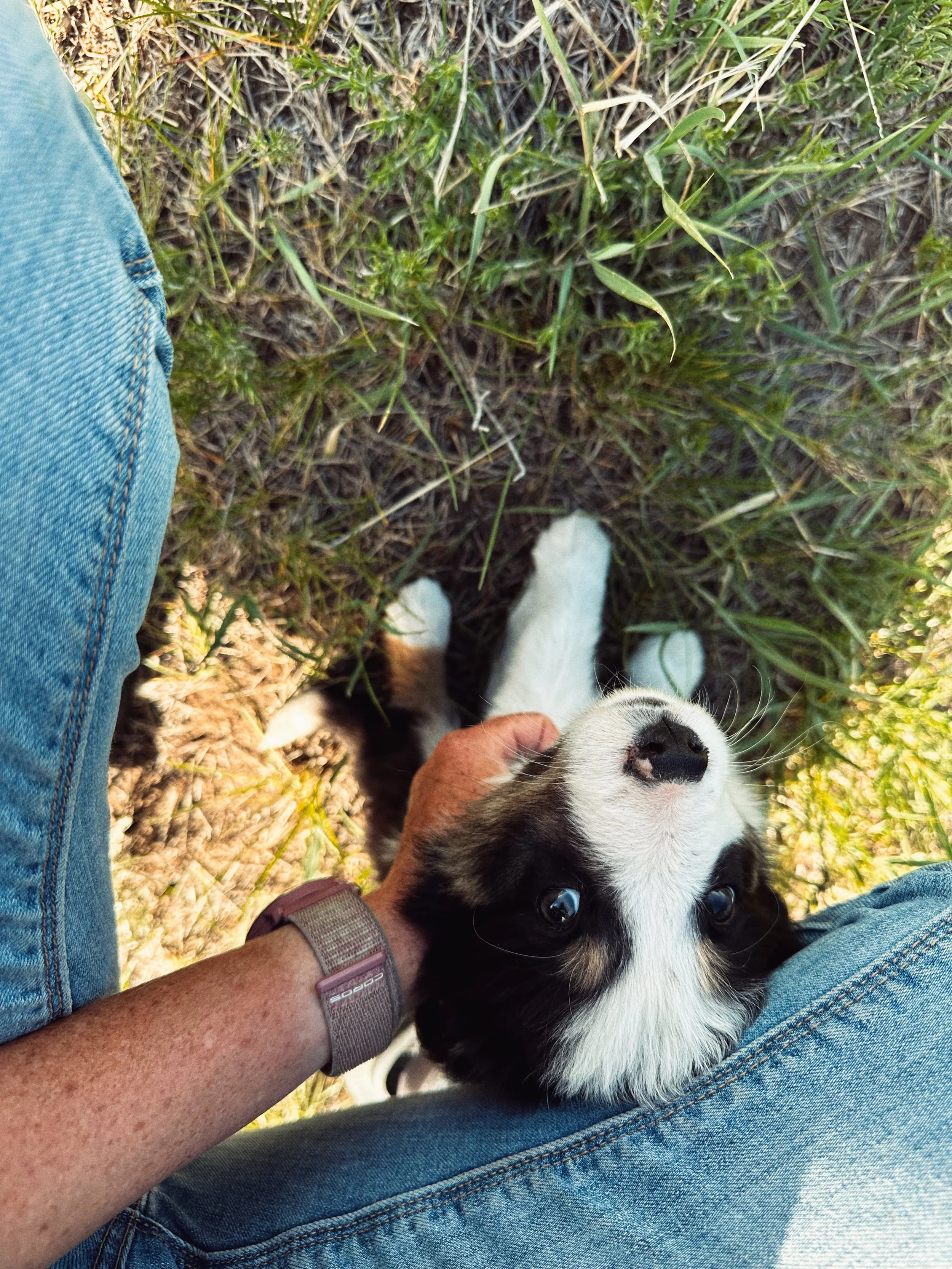
Midgie is a master communicator. If she needs something, she stands on her toes, launches her ears forward, and makes very intense eye contact with me. She knows exactly what, “What do you need? Show me!” means. When I utter these words, she bolts for the answer and touches it with her paw - or stares at it. E.g. the cupboard holding food and treats, the side-by-side if she’s board and wants to get to work, a folded blanket if she wants to snuggle, the shelf with her stuffies if she wants to play, and if we’re at a place without a water bowl, she’ll point to the toilet or the shower if she’s thirsty.
Buffalo are also master communicators. You know exactly how they feel by what they are doing with their head and tail. Except for 440, she’s a bit of a puzzle. In the video, I’ll explain what 140,000 pounds of buffalo told me - from a few feet away.
I’m feeling more than a tad of apprehension, going back to life among humans later this week. I find most people confusing, and wish we could all be more clear in our needs and wants. There is a simplicity and a clarity that exists out here, and I’m really going to miss it.
And as promised (in the video) here are videos of bison jumping fences: here, here, here, and here.
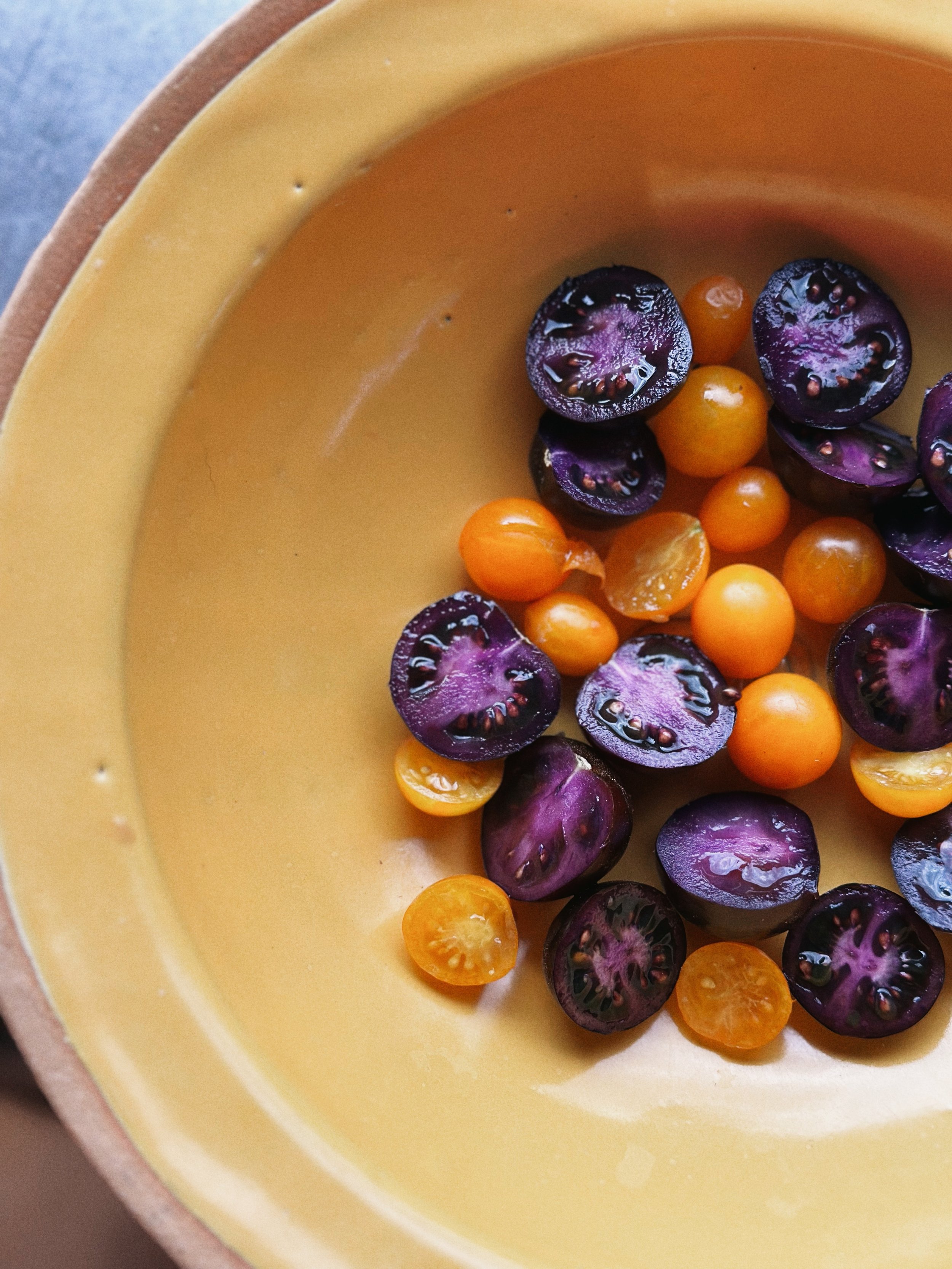
A time was had on Saturday! I spent twelve whole hours peopling for the annual Farm to Crag Bozeman event last weekend. And seeing how my peopling average during field season is zero, that was a lot. But it was lovely!
The day kicked off with one group going to a nearby climbing spot and a another group taking a bike ride through town to learn about the agricultural history of Bozeman. My climbing gear is in storage, so I opted for the ride. I learned a ton; It was an absolute delight, and I met a couple of new friends to gravel ride with.
After lunch a few climbers and riders headed to Chance Farm to do a little volunteer work. I grabbed a coffee, finished pinning up my last batch of bees from the Dakota Partnership Ranch, then jetted to the farm to set up a Bee Regenerative education station.
I nestled up next to the epic tasting table, overflowing with local bites and Patagonia Provisions snacks. The event was sold out, and there was a steady stream of bee-curios attendees that were excited to come chat.
I had a couple of boxes of bees that I had collected from Jar Bar L Ranch in Centennial Valley, MT, Anderson Pope Ranch and Grizzly Creek Ranches in Tom Miner Basin, MT, North Bridger Bison in Shields Valley, MT, and the Dakota Partnership Ranch in South Dakota. Folks were wowed by the size and color variation of these bees, all of the different ways they carry pollen on their body, and the fact that there are so much more than honey bees and bumble bees here in Montana.
I have been hoarding donations of honey over the last couple of months and was able to share an impressive variety of honey colors and flavors from upstate New York, the foothills of the California Sierras, the marshes of Georgia and South Carolina, multiple locations in Montana, and (of course) Bee Girl Honey from the Siskiyou Mountains in Southern Oregon. Thank you - Savannah Bee Co., Hindu Hillbilly Honey, and Mohawk Trading Co., for your generosity!! It was great fun to guide tasters through this little culinary adventure, while leading them to think about agriculture, forests, meadows, climate, and bee conservation.
Following a local farm-focused and abundant dinner, six panelists (including yours truly) walked the guests through our areas of expertise and pitched a “problem statement.” Guests then organized themselves at the six tables and we got to work.
Here is the breakdown of our groups and their leaders –
· Bee Regenerative - Sarah Red-Laird, beekeeping, native bee research, science and conservation communication. “Are the bees OK? Why or why not? Do you feel you can be a part of the solution in their survival?”
· Chance Farm - Josh Chance, first gen market vegetable operation and land access. “Why do/don't you buy local? What barriers prevent you from buying local?”
· Abundant MT - Sammie McGowan, 33 x 33 for Montana Initiative and consumer behavior. "Why don't you buy local? What barriers prevent you from buying local?"
· Montana Farmers Union - Samantha Ferrat, advocacy, policy and community engagement. “Identifying the roles of advocacy, policy & community engagement to move people from 'this is how it's always been' to 'what it could be' through the lens of local food systems.”
· Indigenous leader Latrice Tatsey - relationship based management, food sovereignty, food security, USDA. “Enough local food isn’t growing for me to purchase from producers who grow locally on the Blackfeet Nation”
· Food distribution - Wyatt Nelson of MT Local Food Distribution- the missing middle and affordability. “As new farmers' access to land gets pushed further and further from city centers, how do we ensure distribution of their products in a state as large as Montana stays affordable?”
As you can imagine, the conversations were deep, meaningful and briming with ideas generated by heart-centered people who love the outdoors and stive to be part of the solution in Montana’s local and regenerative food future.
The end of the day was a blur for me – so I can’t quite recap the solutions that were built with the other leaders but am happy to recount ours.
We first answered the question, “Are the bees OK?” This is an existential question with a complex answer, but from a sky high view the answer is, “No.”
So we then defined the problem in a granular way – “Why?” I coached them through the “4 p’s” (they nailed them all with some hints): Pesticides, Pests, Pathogens, Poor Nutrition.
I left it to the group to work in pairs, then in small groups, then as a whole to come up with solutions to the problems.
I spend my summer so nose-down in the complexity of rigorous data collection, ranching, climate change, and human dynamics – that I forget that solutions can be simple and joy-filled. My group did a wonderful job re-grounding me in the “fun” of community-based bee conservation.
Our idea is to pitch an official city-wide campaign for “Now Mow May” and “Let the Leaves Lay” in the spring and fall. This will support pollinator habitat through nutrition and shelter, creating less-stressed, healthier individuals and colonies that will have a better chance at surviving the effects of pests and pesticides. We had two folks that have connections to the City of Bozeman volunteer to make a pitch to city staffers, and the whole table pledged to send messages to the city in support of kicking off an official campaign.
Right over the hill - the town of Livingston has organized a very successful, “Livingston Loves Bees” campaign – so there is already a great model for how to get started.
Early on in 2025 I made an intention to come out of the hills here and there and integrate myself more into the communities I work in here in Montana and South Dakota. I’ve had multiple opportunities to connect this year, and I’m grateful for every one of them! This event was truly special, and it was an honor to be included to share my passion for bees, local food systems, and regenerative agriculture.
In the last eleven days I’ve identified and counted flowers in forty transects, collected bees from ten traps in ten study plots stretched over fifteen miles, and walked thirty six hectares with a net, searching for and documenting bees on flowers. I’ve also followed buffalo around 27,000 acres - watching them graze, wallow, saunter, and stampede.
I have four hectares left, and then my field work for the 2025 season at the Dakota Partnership Ranch is done.
There’s a deep sinking in my heart each time I leave. While here, I live in a land before time. I’m on bee time and buffalo time, which is sunrise and sunset, wind speed and temperature time.
Our lives are dictated by the elements and the light.
This morning we woke at 5:15am with a yipping coyote greeting the magenta hue on the skyline. The long sunrise was a spectacular show of hazy orange from the still air filled with dust from the wallowing buffalo. Then a soft yellow-green as the buffs traveled and the morning rays caught the wings of would-be fairies dancing outside my window.
I caught some of the show on camera, please enjoy and thank you for your support!
Today you find me at the Dakota Partnership Ranch in South Dakota. This land is exceptionally stunning and sacred to many folks, including me. I’ve been coming here since 2022 and it’s where I started the “Bison and Bee Habitat” project in 2023.
I’ve been thinking a lot about connection since last week, and my mindset around isolation and loneliness. I’ve decided that my time here at the ranch (where I haven’t seen a human since I got here three days ago) will be framed as a “retreat.”
On top of my fieldwork, data entry, and administrative tasks for Bee Regenerative, I’ve been spending time engaging in deep professional work and deep personal work. The themes of connection, reciprocity, communication, and worth continue to arise.
As I’m working on my daily check list in the field, I interact with animals all the time (way more than humans). Of course, Midgie (my dog), is always just right here, but I’m surrounded by the animals I’m watching (bees, bison) and the animals that are watching me (birds, coyotes, prairie dogs, 8 trillion mosquitos).
I talk to them all the time. I tell them how beautiful they are (not the mosquitoes), what a good job they are doing, and how much I appreciate them. I’m not sure if bison can see details too clearly, so talking to them has become a constant habit. They are instantly disarmed and go on about their business as soon as I start lobbing compliments their way.
I always wonder if they can “understand” me. Midgie and I understand each other’s vocabulary quite clearly and are continuously in conversation about what we want the other to do, but what about the rest of them?
This is connection, is it not? Communicating and feeling seen, heard, and understood?
I think about the energy I bring to the land. “I’m not a threat, I’m here to serve, I’m here to observe, I’m here to tell your story.”
In exchange, I never feel threatened, and I always feel like I’m being let in on something that few people know (maybe no one… yet). The delights I stumble onto daily are treasured.
Is it communication or coincidence?
Is it self-imposed isolation or finding my community?
After spending 2.5 weeks here this spring, I didn’t want to leave. Every day was a gift of a new flower, a new bee, an experience with the buffalo that topped the last. I was counting my last flower in my last plot on my last evening. I started to tear up; I missed this place already.
A yip coming from above startled me. A coyote was standing on top of the hill right above me. She howled. Then she was joined by another and another and another. Four coyotes standing on the hill, alternating between looking at me and howling at the rising moon. Then on the other side of the valley, more yips; more howls. I sat on the ground and glowed from the inside out with glee as the stereo chorus went on for a few minutes. Then absolute silence. Then a beetle clicked, then a night jar called, then the breeze blew the leaves of the cottonwood; and we all understood.
Just some early morning ramblings on the paradox of isolation and gratitude.
A few days ago, a friend made a comment on my “monastic life.” This phrase caught in my mind, and I’ve been deep in thought about it. Which I guess is the thing you do when you live a monastic life.
This morning at about 5:30 am my alarm clock was in the form of mother buffalo rumbling to their babies as they traversed the hill in back of the van. Peach, rose, and opaque magenta backlit them as they crackled through the sage.
I’ve had two (10 minute) conversations with humans in the last five days, and can count the non-work related social engagements I’ve had sine May on one hand.
Like I say in the video, I live on the fringes of… well, everything. I don’t know how I feel about that. As humans are wired for connection, but every morning I choose this life again and again.
I wonder… how did my childhood hero, Grizzly Adams, do it?
##
An update to the video commentary, later this morning my European starling friends surprised me with “mallard duck.”
While at a dinner the other night, I picked up the book, "Bison: Portrait of an Icon" by Audrey Hall. I can't wait to get my own copy one day and spend more time with it. This story, retold by Henry Real Bird, Upsauloeka (Crow) poet, has stayed with me and I wanted to share it with you.
For a deeper dive into Henry Real Bird's work -
Across Montana On Horseback, Poet Hands Out Poetry: https://www.npr.org/2010/07/30/128877656/across-montana-on-horseback-poet-hands-out-poetry
Poet Henry Real Bird Rides the Last Stanza of His Trek Across Montana: http://westernfolklifecenter.files.wordpress.com/2010/07/henryrides_3.mp3
Cowboy Crossroads Ep. 57: https://www.youtube.com/watch?v=30W99hzBysQ
Expressing Montana - "Robin" by Henry Real Bird: https://www.youtube.com/watch?v=HPl9k3MAniM
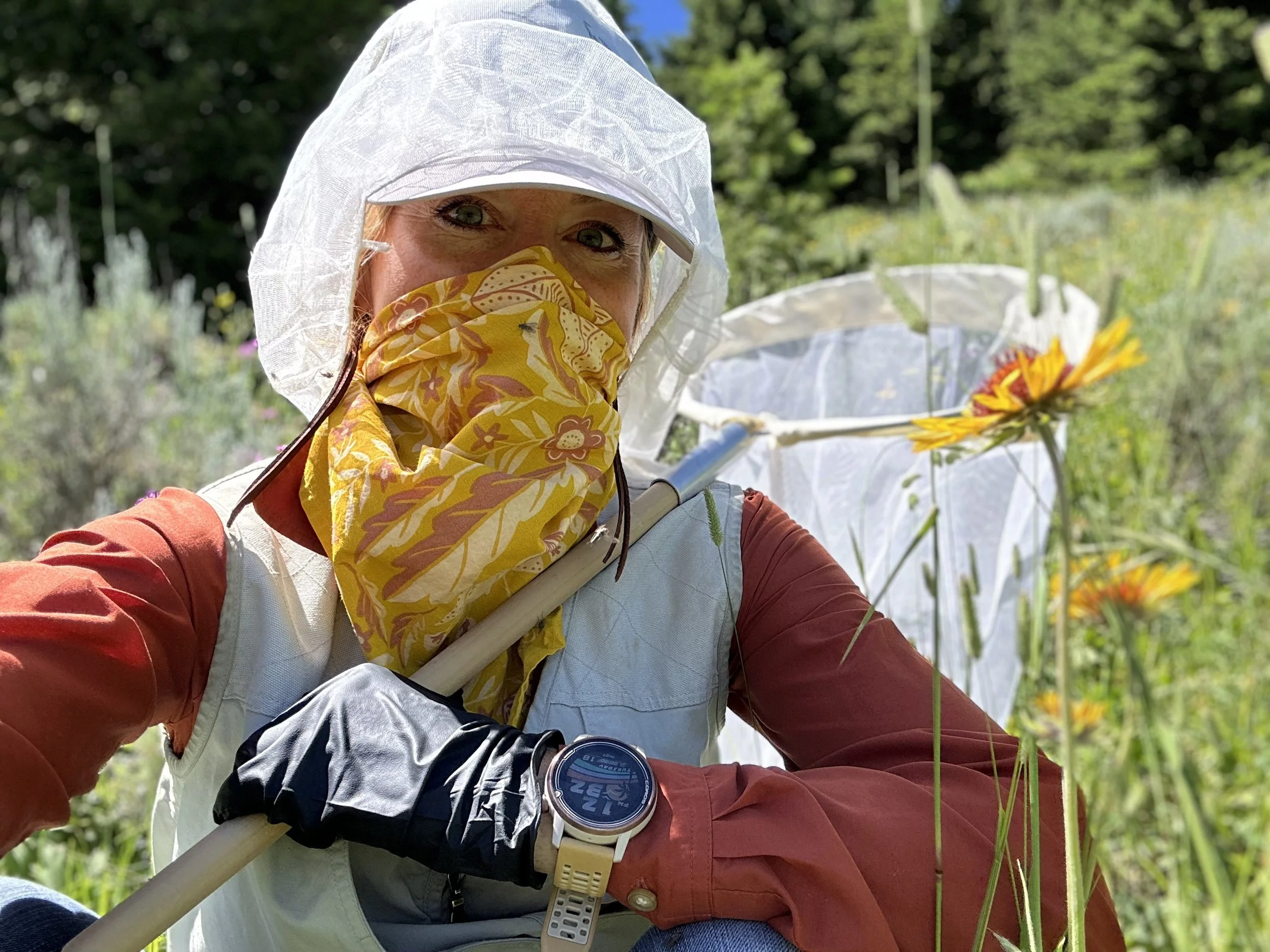
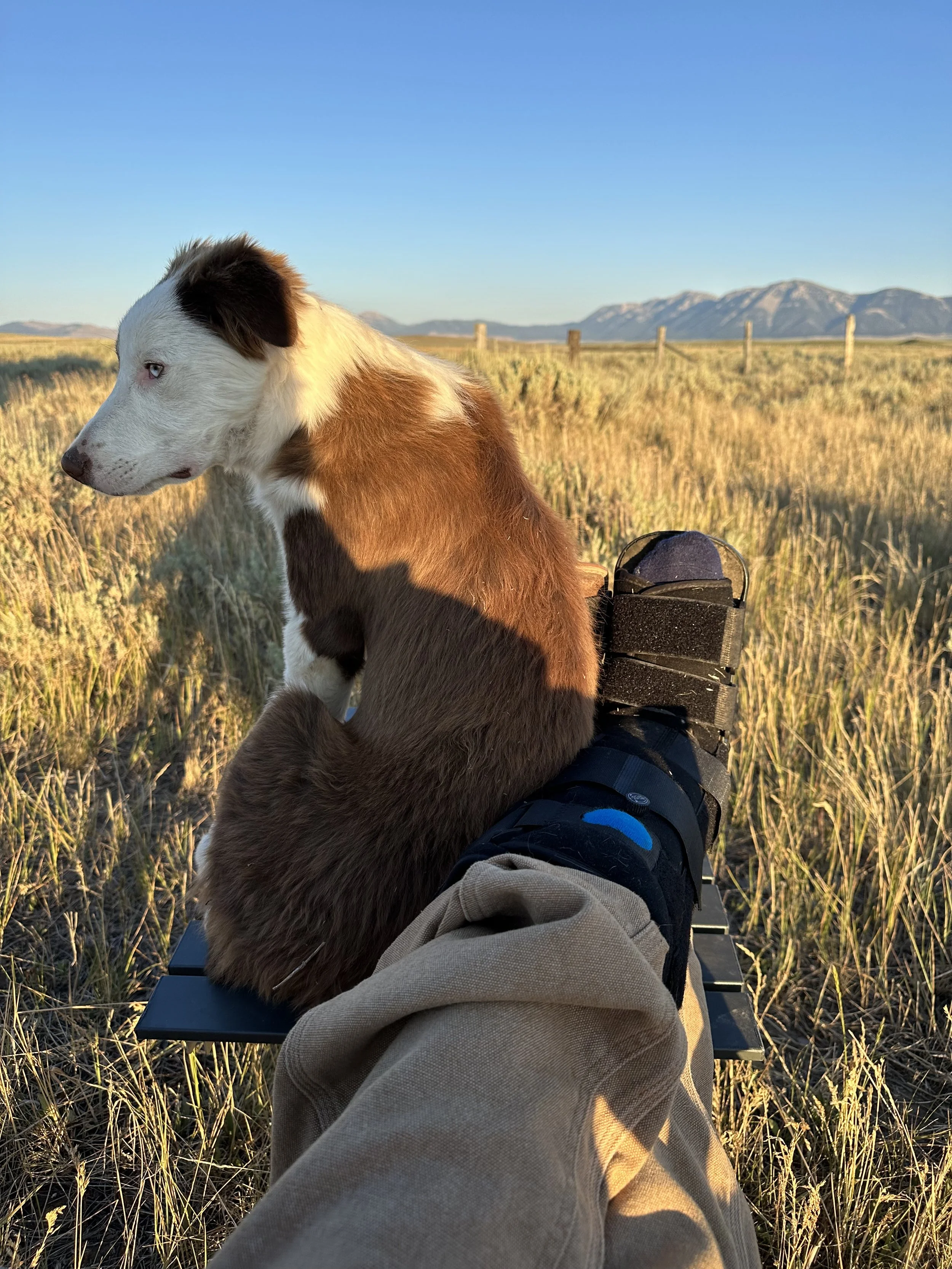
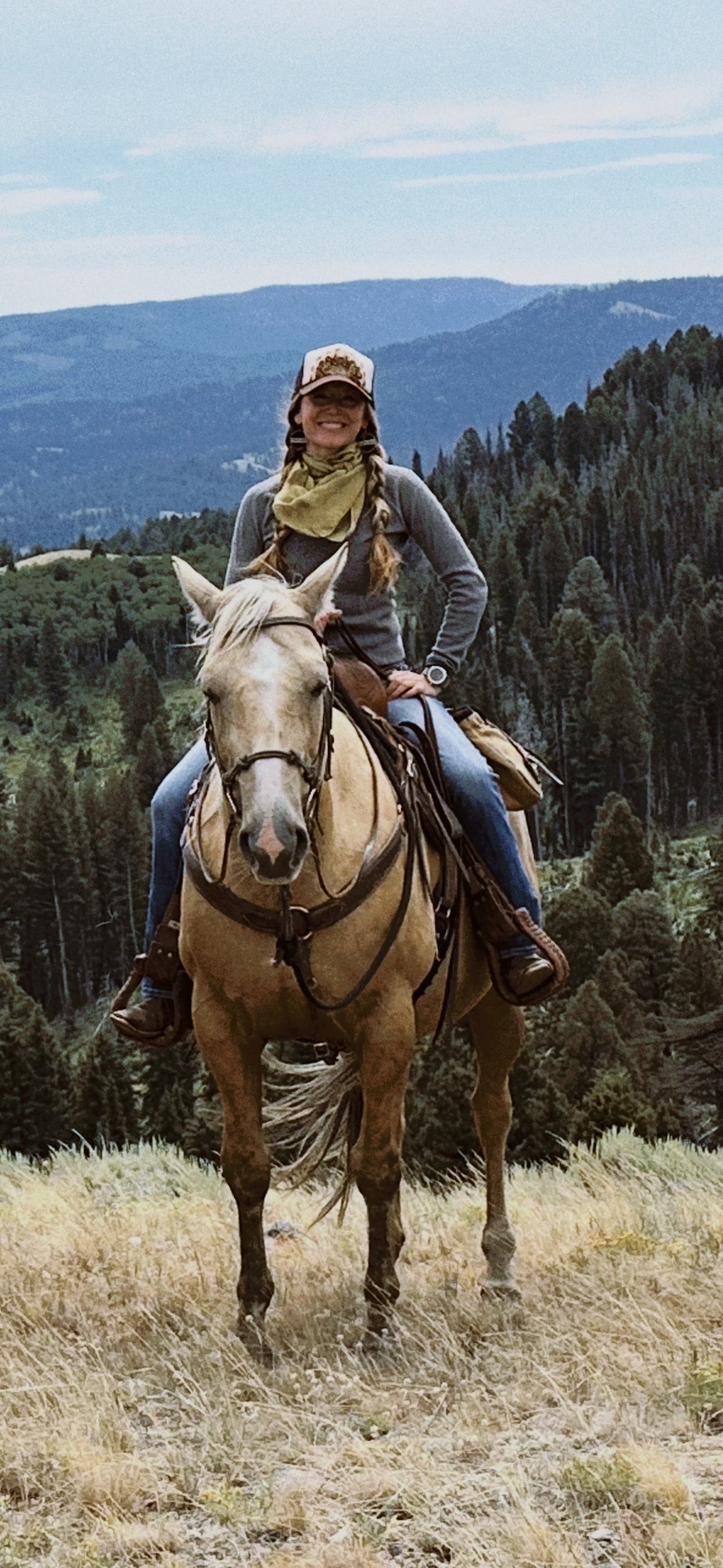
Dearest donors! Since I last wrote I went into retreat at J Bar L, immerged a more grounded and stronger person, rambled up to the border of Canada to spend about a week at the American Prairie, spent a long (working) weekend at my friend, Lorca Smetana’s, farm outside of Bozeman, and have now landed back at the J Bar L ranch to commence the second part of “field season.”
A couple of years ago, during our annual strategic planning retreat, Ginelle and I decided that it was essential that I work a “summer break” into my year.
During my first year at Anderson Ranch (in Tom Miner Basin) and at J Bar L Ranch (here in Centennial Valley) I was ANNIHALATED by meat eating, blood sucking flies. There is specific window in the day that I can get out to monitor bees; apparently this is also peak fly feasting time. They chewed through my clothes and even my latex gloves. I switched to leather gloves, but every time I took them off to move a bee from my net into a tube, they would swarm my hands and chew on my palms; resulting in maddening itching that would keep me up all night.
Malou Anderson said that it was the worst year she’d seen in quite some time but couldn’t do much about it but give me a compost tea bag to put over my head! Ha!
So – I built in some time mid-summer (when the flies peak), for me to return to Oregon to connect with our community, get in my art studio, care for our bees, catch up on admin work, and get in a little R&R.
Last summer break provided extreme unforeseen challenges, including literal variations on the phrase, “break.” I was amid experiencing the most life altering heartbreak of my life, my car broke down and I couldn’t afford to fix it – so just sold it to the mechanic for nearly nothing, and then my ankle broke while I was competing in a trail running race in the Siskiyou mountains.
My homelife had become unsafe, so convalescing there for the remainder of my time back in Oregon was not an option.
I must take a moment to celebrate my orthopedic surgeon, Dr. Craig Meaders. This is a man who truly, deeply cares for his patients and is willing to think about the whole ecology of someone’s life to insure they heal. We worked together to hatch a very specialized plan to get me back in the van and on the road doing what would keep me safe and make me happy; netting bees, counting flowers, and living among bison, cows, wildlife and the good people who care for them, and for me.
Summer break this year looked different. It was one part Oregon and one part Montana. It was one part chaos and one part calm. It was one part familiarity and one part novelty. And it was all perfection. Possibly the best part was the ability to reflect on where I was this time last year and feel proud of the personal work that I have done to heal emotionally and physically, and also proud of where Bee Regenerative is this year.
For 2025, Ginelle and I set a goal to build a stronger community in Montana and South Dakota. My time, historically, has been devoted to gathering data and building relationships solely with our ranching partners during field season. I went from ranch to ranch, with maybe a half of a day off in a town somewhere to gas up, hit a laundry mat, and fill my fridge at a farmers’ market or co-op.
But this year has been different, I’m building in time to “people” – to lean into invitations to coffee, hikes, dinners, and accepting offers to camp on farms and in driveways.
I feel that I’m becoming a part of a mycelial network – a group of people who are continuing to gather, to network, to create, to dream, to do, and to support each other among these strange and turbulent times. Like mycelia, we resource each other with what we have in abundance and also what we may have little of - but is needed in the network to make the whole stronger.
During summer break this took the form of:
Listening, learning, and dancing together at Old Salt Fest,
A flawless honey harvest – totally “in flow” with Ginelle back at HQ,
A successful bout of fundraisers for Bee Regenerative – the highlight being collaborating with Danielle “DJ Sparklepants” Kelly to pull off an event at the Phoodery where I got to meet so many new supporters,
Having a fully unhinged 4th of July that ended in Danielle and I dancing in our fancy holiday outfits in the deep end of a swimming pool (yes, mimosas and frosés were involved),
Hosting my beekeeper friend, Matt, in town while he helped me move from my apartment into a storage locker,
An impromptu late night, pajama clad strategic planning session with Bumbleroot founder and community connections queen, Sara Andrews, in our cabin at the “Heart of the West” retreat,
Mutual tears of knowing, grief, and empathy at the retreat during the closing circle,
Being received so warmly and fed well at American Prairie (more on this next week),
Having a soft place to land at Lorca’s farm where nourishment took many forms (time, sleep, hugs, encouraging words, coffee, smiles, and one hell of an epic camp spot among her Icelandic bell-wearing sheep).
Also, while on summer break I finished the book, Entangled Life, by Merlin Sheldrake. As someone who is always working, but questions if I’m doing enough if I’m not pulling 16-hour days functioning at max capacity for max productivity, I appreciated these words:
“Science isn’t an exercise in cold-blooded rationality; scientists are—and have always been—emotional, creative, intuitive, whole human beings.”
“One of the things we might learn from fungi … is that to adapt and to move through this mess, we will need to form new types of relationship with non-human, more-than-human organisms, but also with humans, and across human ages, cultures, different points of view, disciplines.”
This is a good reminder that while data collection is a priority in the summer, giving myself space to exist within the human network is not only acceptable, but essential to this work.
Thank you for your support and thank you for reading.
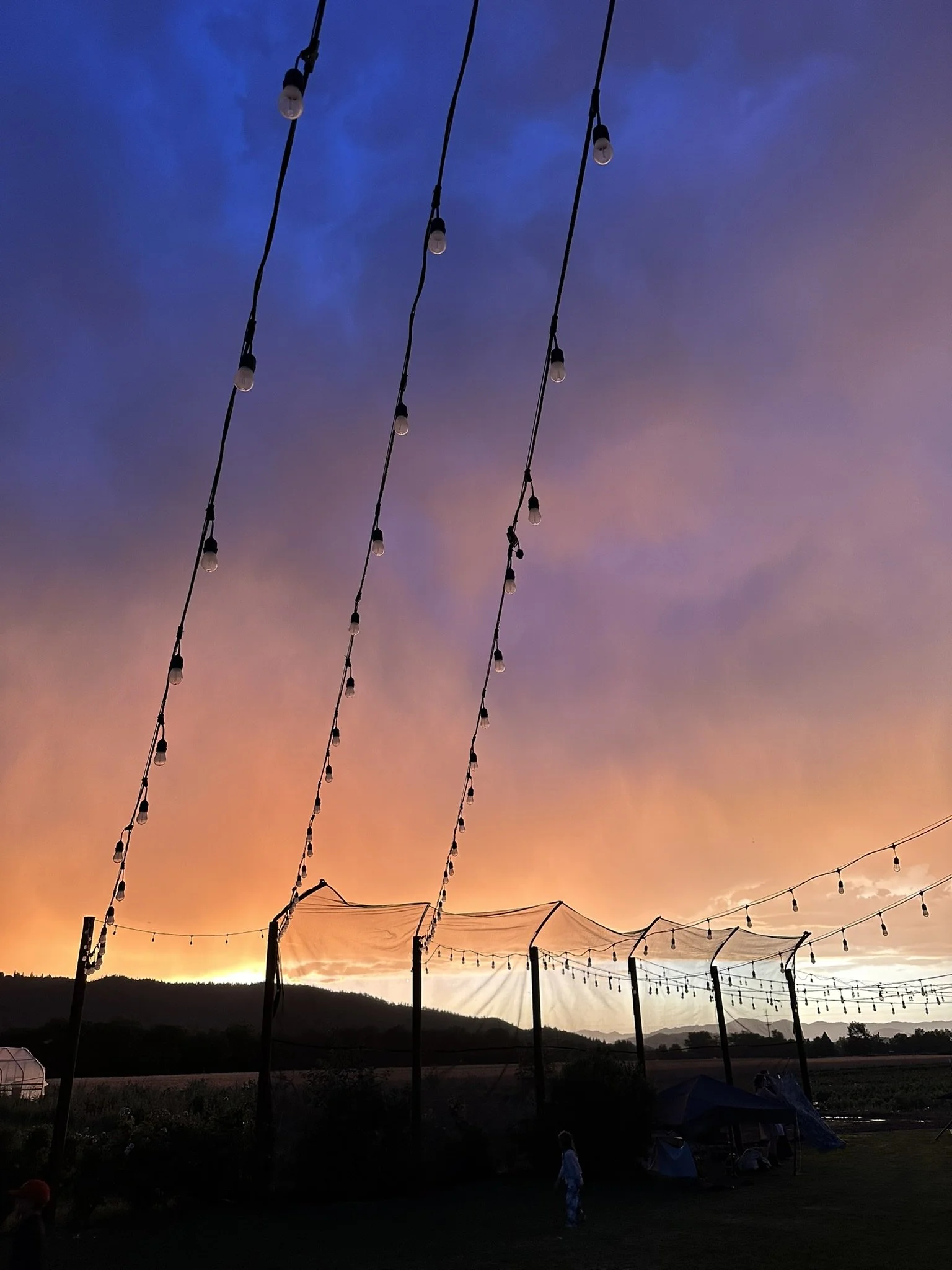
Whirlwind is an understatement. In less than a fortnight back in Ashland we did honey harvest, got honey our back on shelves, I ran two fundraisers, and moved all of my personal things from one apartment and two storage lockers into one storage locker (with some hefty loads going to Goodwill and my local consignment shops). I also fit in a slew of medical appointments and a whole day off (the 4th of July!!). Ashland is hands-down my favorite place to celebrate the 4th, we have a banger of a parade followed by a whole day of pool parties, live music, and general small town wholesome cheer and togetherness.
There was no update last Monday, as I was elbows-deep in moving boxes and had negative zero time to sit down for even a moment.
That is until the evening when I tried to treat myself to an Ashland Folk Collective concert at Fry Family Farm. Just as the opener was finishing up a black wall of weather swept through the Rogue Valley. The sky went from high blue to low dark purple, filled with white lightning. One of the organizers calmly made her way to our blanket and suggested that we go sit in the car as Ashland (15 miles to the south) was currently being hammered with torrential rain, wind, and lightning and the storm was moving fast. I concurrently received a warning on my phone for quarter-sized hail. We packed up, and went to the car to wait out the storm.
Unfortunately, the wind and lightning knocked out power to 30,000 households and businesses and FFF was among them. No power = no music. Bummer.
The storm started dozens of wildfires around Southern Oregon.
One was on a property that my bees are currently on (though it was about 7 miles away). Another about two miles from one of our vineyard partners (where I’m storing our bee truck while I’m away for the remainder of field season).
Though our fire crews throughout the west are woefully understaffed due to DOGE cuts, our local guys and gals got right after it and have been giving it all they have to keep our towns safe since July 7th.
Over the weekend I had the great good fortune to time my road trip back to Montana with the National Bison Association Summer Conference for the “Western Region” in Enterprise, Oregon, at the Stangel Bison Ranch. I loved seeing this dynamic father-daughter duo (Theresa and Bob Stangel) work together to regeneratively manage their herd of 500 bison on 6,800 acres in the foothills of the Eagle Cap Wilderness. This family has been committed to ranching for the conservation of grasslands before it was cool. They bought their first bison in 1979 and sold their last cow in 1987.
Wide open spaces that are properly managed for biodiversity and biological health are one of the best solutions that we have for climate change. I’m so glad I was able to transition from crises mode in Southern Oregon, to solution mode in Northeastern Oregon overnight; to see with my eyes and feel with my feet the beauty of healed ground full of sequestered carbon, thanks to good management and our national animal.
As a write this I’m sitting on the hot, hot side of Hwy 52 in Idaho, en route to J Bar L Ranch to meet with my Montana people where I get to actively be a part of the solution to our looming climate and biodiversity crises - thanks to your support! We couldn’t do this work without you!
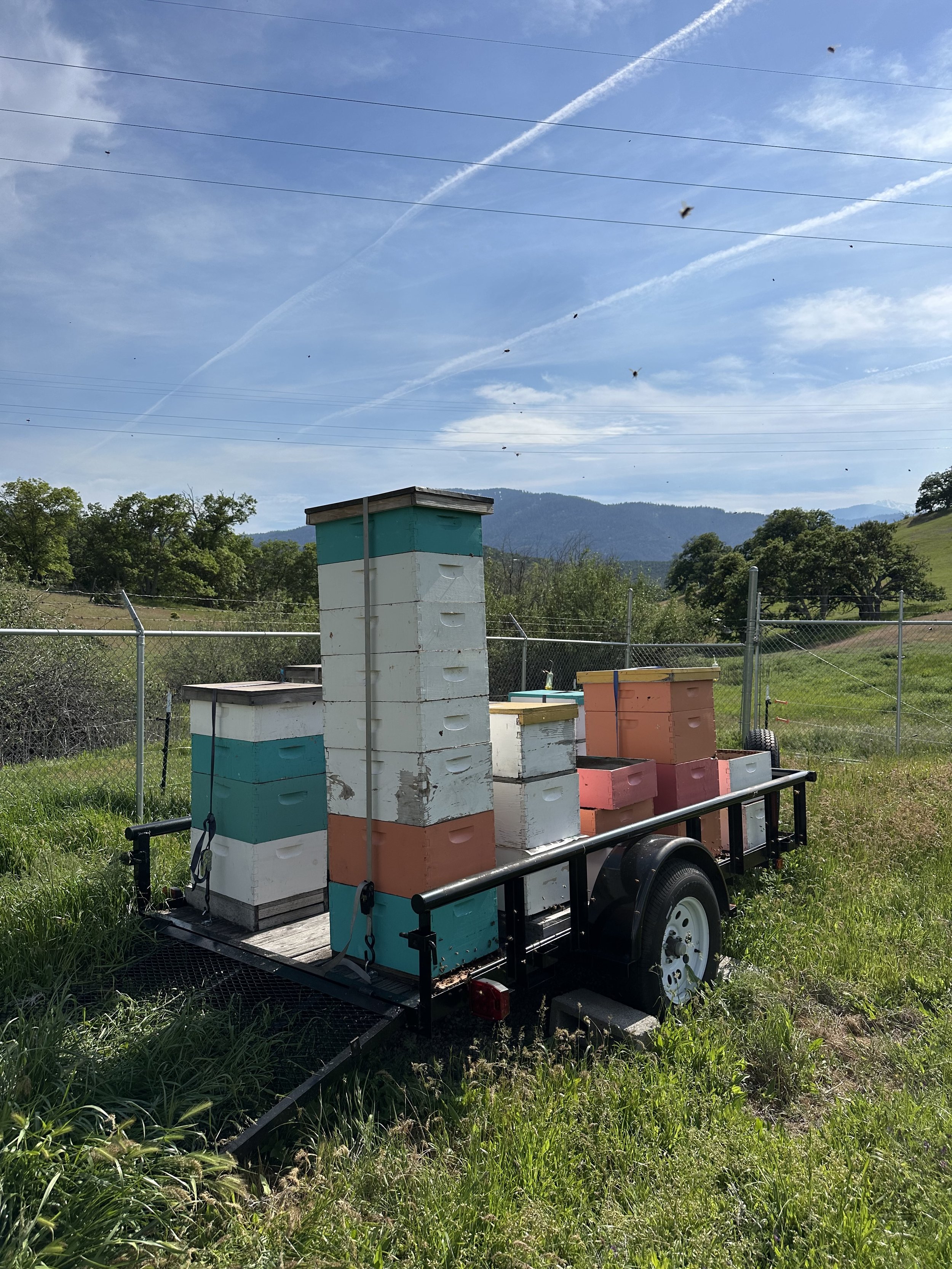
Over six feet of honey!
Myself, the van, and Midgie are all back at HQ in Ashland, Oregon! It’s a delightful time of year to be home for my “summer break” from field season. Around this time biting black flies, horse flies, and deer flies ascend from the depths of Hades to make life a living hell for any red blooded creature in the Greater Yellowstone Ecosystem and beyond. After one summer of nearly being caried away by the little devils I decided that I could find something else to do besides having chunks of my skin removed by razor-mouthed flies, so I built 2-3 weeks of time into my calendar, back here in the big city, to reconnect with our Southern Oregon community of donors and project partners, get some time with friends, take care of our bees, and spend a few days in my art studio.
This spring we had that dreamy scenario of sunny, warm weather, a good snowpack that melted slowly, and some lovely spring rains. This combination produced a beautiful super bloom of native flowers and a purple sea of vetch at the Sampson Creek Preserve.
I also have been working hard to build solid bee health through managing nutrition and controlling disease and pests such as Varroa mites. Our bees came out of the winter strong (I only lost one hive) and me and the bees were able to work together to capitalize on the epic nectar flow!
I set them up for success before I left for Montana and South Dakota, and returned to 10 supers of capped honey.
Honey harvest started on Thursday, just hours after I got home, and is just finishing up today. Ginelle is in the honey house bottling while I catch up on admin work, and we’ll be doing deliveries over the next couple of days. So keep your eyes peeled for spring honey to pop up on these shelves soon!
If you’re in Southern Oregon, I’d love to see you this Thursday at the Phoodery. I’ll be there from 5-9, click here for more information on our event, and stop by for a hug and a hello!
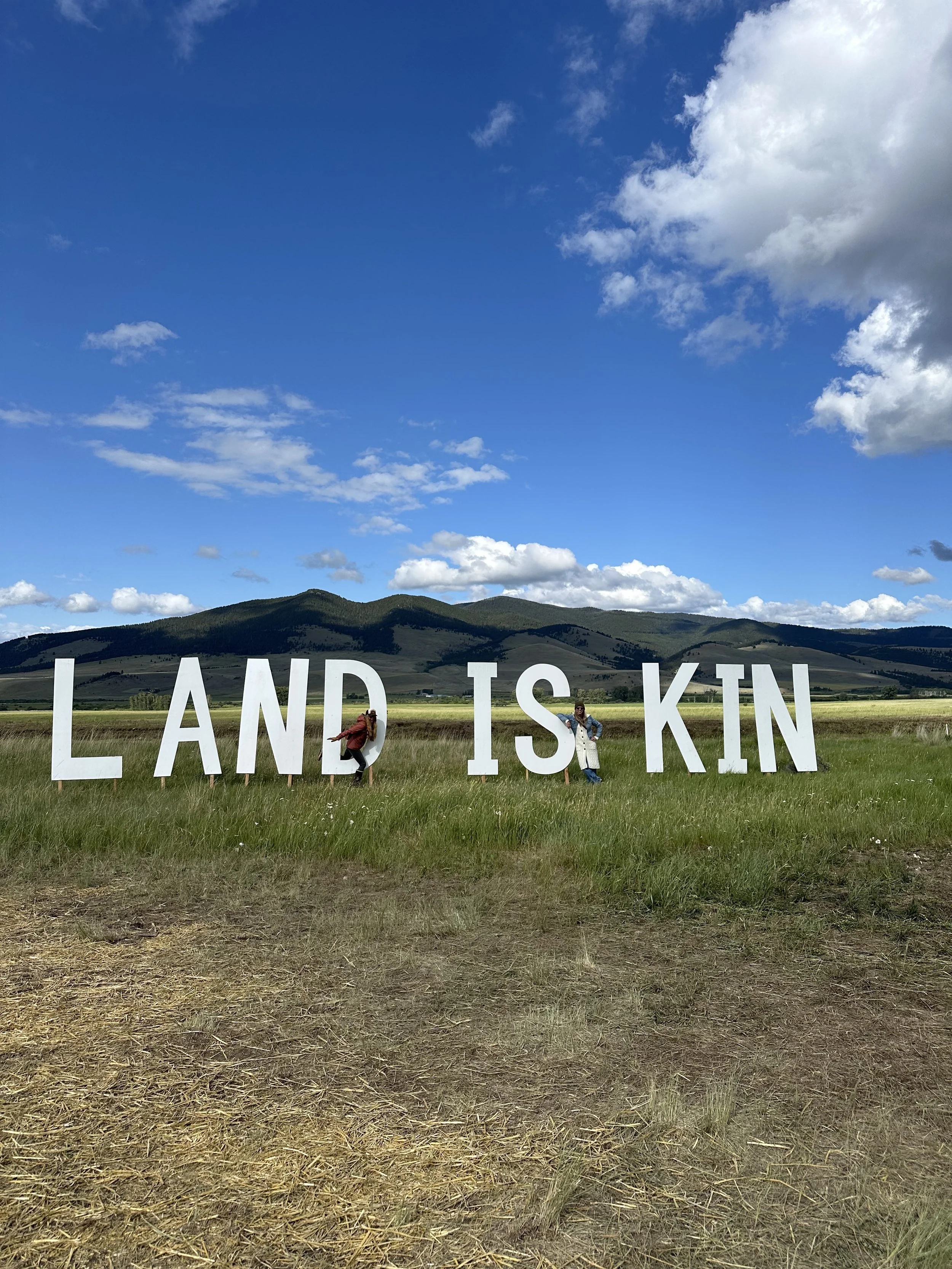
Old Salt Festival is a food & music celebration of Montana land stewardship that takes place over summer solstice weekend at the Mannix Family Ranch in Helmville, Montana, in the iconic Blackfoot Valley.
This was my third year at the festival. The first year I came to see the keynote by one of my favorite authors, David James Duncan. The second year I was able to serve as a panelist, discussing the importance of ranching with wildlife. This year, all the stars lined up and I was able to bring Bee Regenerative’s co-director, Ginelle, along with me to meet our ranching partners and to get a good dose of what it’s like to camp on the plains and prairies of the American West, and saddle up among some of the warmest hearts and brightest minds in agriculture today.
It snowed in the hills and the winds and rain were nothing short of relentless, but the “Old Salt” vibe was high and good times were had.
As a supporter of our work, I’m so happy to bring you along and share a few of my personal highlights. The videos below will give you a clear sense of who I’m working with, the ethics that guide them, and the values we share.
It’s an honor and a privilege to be invited onto J bar L to collaborate with Andrew and Hilary and their family through research, art, and education. And it’s my honor to invite you into the tent to get a taste of Old Salt.
Learn more about the Old Salt Festival here, J Bar L Ranch here, and the Old Salt Co-op here.
Mountain and Prairie podcast host Ed Roberson sat down with Old Salt Fest Founder, Cole Mannix, and Old Salt Co-op Co-Founder, Andrew Anderson, to talk about the “why” behind the festival.
Andrew and Cole talk about what problem the founders of "Old Salt Co-op" were trying to solve by forming their new project.
Cate Havestad, Oregon Rancher and Founder of Range Revolution, facilitated the "Land is Kin" panel, featuring Bee Regenerative partners Andrew and Hilary of J Bar L. Watch for a few words on their personal histories and how that influenced their current ranching philosophy.
Bee Regenerative partners Andrew and Hilary discuss their philosophies regarding ranching as part of an ecological web, as opposed to having dominion over the landscape.
Roses and Thorns
When I was in fourth grade my dad said to me, “There is no in-between with you! You’re either way up here, or way down there.” When I was in eleventh grade he said, “Why do you always have to burn the candle at twelve ends?” Spoken in an accusatory tone.
Welp – I’m happy to report that I am still me, after all these years. And I’ve found a path that is multidimensional and has no mediums. And it’s where I function best; such is the blessing and the curse of being neurodivergent. I received a formal diagnosis (well two of them) at the age of 30 while I was finishing my bachelor’s degree (which took me four colleges and eleven years).
My whole schooling career I heard over and over again, “you’re easily the smartest kid in class, it’s hard to see you struggling so much.”
At the encouragement of not one, not two, but three professors at the University of Montana I finally made the journey to student health and underwent months of testing resulting in a diagnosis and a prescription (which I never filled).
All I wanted was a permission slip to have more time on tests, what I got was permission to finally live in the world in the way that I could. I went on a deep dive into my diagnosis, and for the first time in my life – it all made sense. I finally understood that I would never be able to live in the world that was not built for me, where I would never fit in. I would have to build my own world where highs and lows and doing twelve things at once were part of the deal. This is how I’ve easily found my home in agriculture and the conservation / environmental nonprofit space. #IYKYK
I thought that it would be fun to share what a typical day-in-a-life (or two) look like for me out here, with a lens of “Roses and Thornes.”
Monday, June 9th
Rose: I finished up my last two study plots at North Bridger Bison and was filled with so much gratitude for the trust that Matt has given me, through access to his land to study his bees, harvest his flowers for my cyanotypes, and to tell his story though data.
Thorn: The heat spiked from the mid-60’s to 90 degrees, I heard my fridge wooshing with liquid and upon checking on it, realized that it was on the fritz and a large portion of my food had spoiled. I packed the fridge with ice to save what was left and put it on the list of things to have looked at because I have zero refrigerator repairman skills.
Thorn: I stopped at the Conoco in Bozeman to clean my porta-potty (EEW!)
Rose: While at the Conoco, a delightful Native fellow started chatting me up like we were long-time best friends. Turns out he facilitates ceremonies and was just down on the Pine Ridge Reservation doing the Sundance with a bunch of men (this ceremony was deemed illegal by the US Government from 1883 to 1978). I work on the border of Pine Ridge (with the bees and the bison) and am building a relationship with Maȟpíya Lúta, a Lakota language immersion school on the reservation, so we had plenty to talk about.
Thorn: After chatting it up in the gas lane for quite a while – and getting the contact information for an elder on the Rez named Chubs Whitemouse (I can’t get over how much I love this name) – I returned to my van at the potty dump to see oil POURING from underneath my van. Visions came flooding back to my recent experience at the only drive through oil lube place in Rapid City that has a big enough bay for the van. I was convinced that this was not really a lube joint, but a meth lab. I was in a phone meeting with Ginelle while I was getting my oil changed and was giving her a play by play of the horrors I was witnessing. Needless to say, I wasn’t surprised at the bungled job.
Rose: I never would have noticed the leak (that had turned into a big, shiny pool) if I hadn’t been talking to my new friend.
Rose: There was a quick lube place literally right across the street.
Thorn: Indeed – the meth lab/oil place had completely botched the oil change and nearly all the oil had leaked out.
Rose: Somehow the van didn’t seize up and break down over the last week, or while I was in, or on my way to, the middle of nowhere (J bar L Ranch in Centennial Valley).
Thorn: That’s $425 in oil changes in two weeks that we just don’t have the money for.
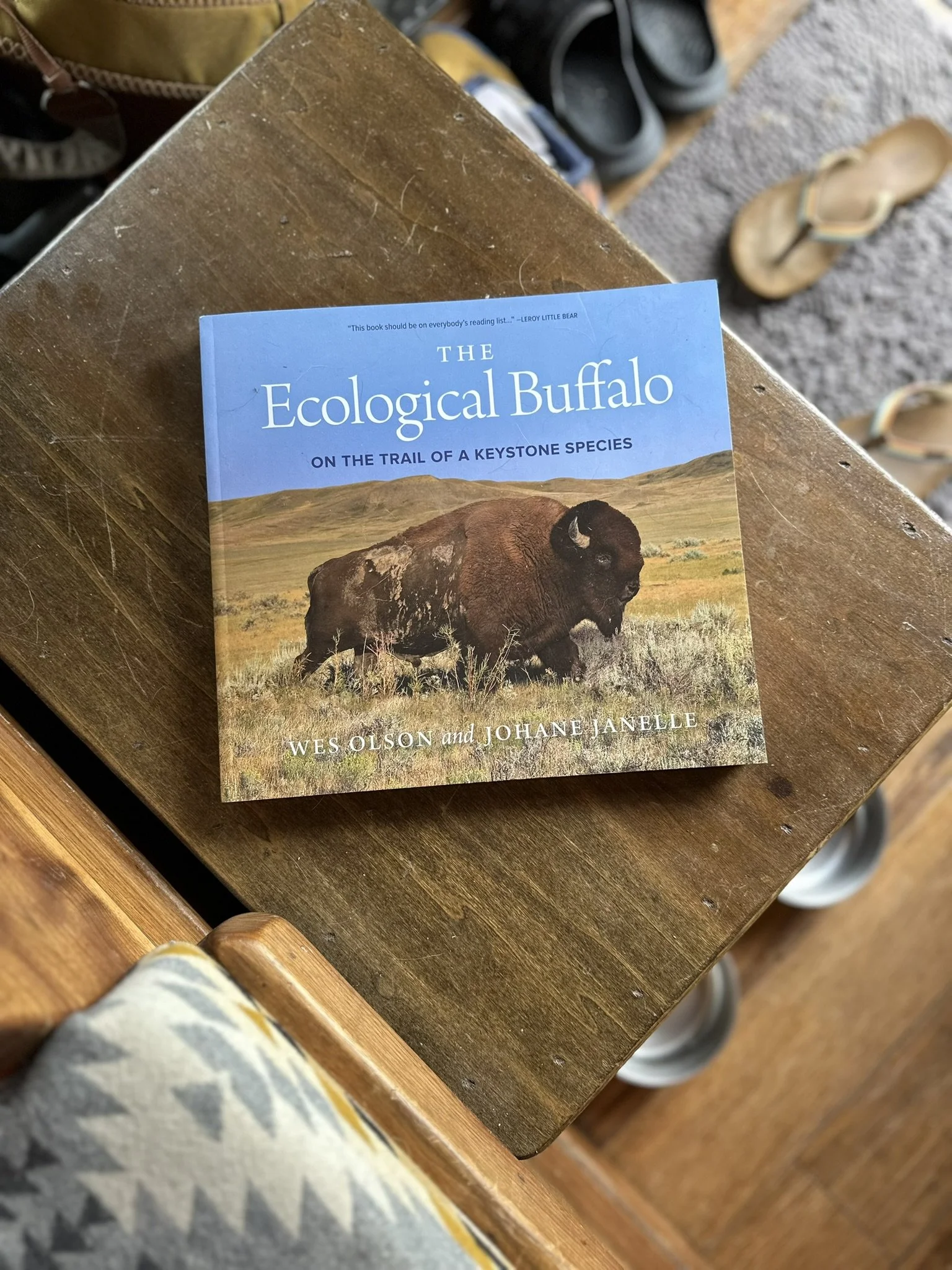
Rose: I still made it to town (Bozeman) just in time to make it to the bookstore and treat myself to a copy of the “Ecological Buffalo,” it’s been on my wish list for over a year, and I just needed to make the investment!
Rose: After doing other various “town errands” I realized that it was too late to make the 4-hour trek to J bar L Ranch, so decided to camp in town. Which meant that I could meet my friend, Scott, in town the next morning for coffee. This also meant that I got to treat myself to a dinner out that I didn’t have to cook!
Tuesday, June 8th
Thorn: I woke up to the news that we received a grant denial from the Clif Family Foundation; a grant that we are SO mission-aligned with, had worked so hard on, incorporated feedback from the last denial, and were so hopeful for. This means that we are still batting ZERO for grants that we have applied for over the last seven months. This was the last one we were waiting to hear back on, and it was hard news to get. So, I will take a 50% pay cut and Ginelle will reduce her hours and we will find a way to keep fighting to make this little nonprofit that does big work go forward. I can’t take it personally, because this is the story of so many small nonprofit organizations right now.
Rose: I met Scott for coffee at 7:30 am, right before he started his new job as the COO of American Prairie. We have a contract with them to expand our “Bee and Bison” project to their property, but the funding we had applied for (to do this work) was denied – so the project is on hold. Scott was excited about the project, was surprised to hear what a hard time we’re having with funding and offered to help spread the word locally to help us gain some traction in the $$$ department.
Thorn: I arrived at J bar L and attempted to start up my cook stove (that also functions as a heater for the living space in the van). AND – after pulling everything out the fridge that I could salvage and cook up, the stove controls started flashing error codes that I had never seen before. After an hour of messing with it – I threw my food back in the fridge (in a huff) and made peace with the fact that it was now going to be peanut butter on rice cakes for dinner until I figured out how to be a diesel stove mechanic.
Rose: Edgy and unsatiated, I walked over to Cowpoke Camp (I park right across the road) to introduce myself to the new cowboy, Will. He is a delightful guy, who’s dream job had gotten DOGE’ed – so instead of spending his summer as a young federal government scientist, studying climate change and grazing – he’s herding cows. But he’s thankful for the opportunity to join the J bar L team, working with his real-life hero, Andrew Anderson.
Rose: I connected with Andrew and then set out to set up blue vane traps to catch bees and start on monitoring my vegetation transects (hours upon hours of flipping a PVC grid along a tape measure and ID’ing and counting flowers). The transects were the most florally rich that I had seen in my three years of coming here, and I was absolutely delighted.
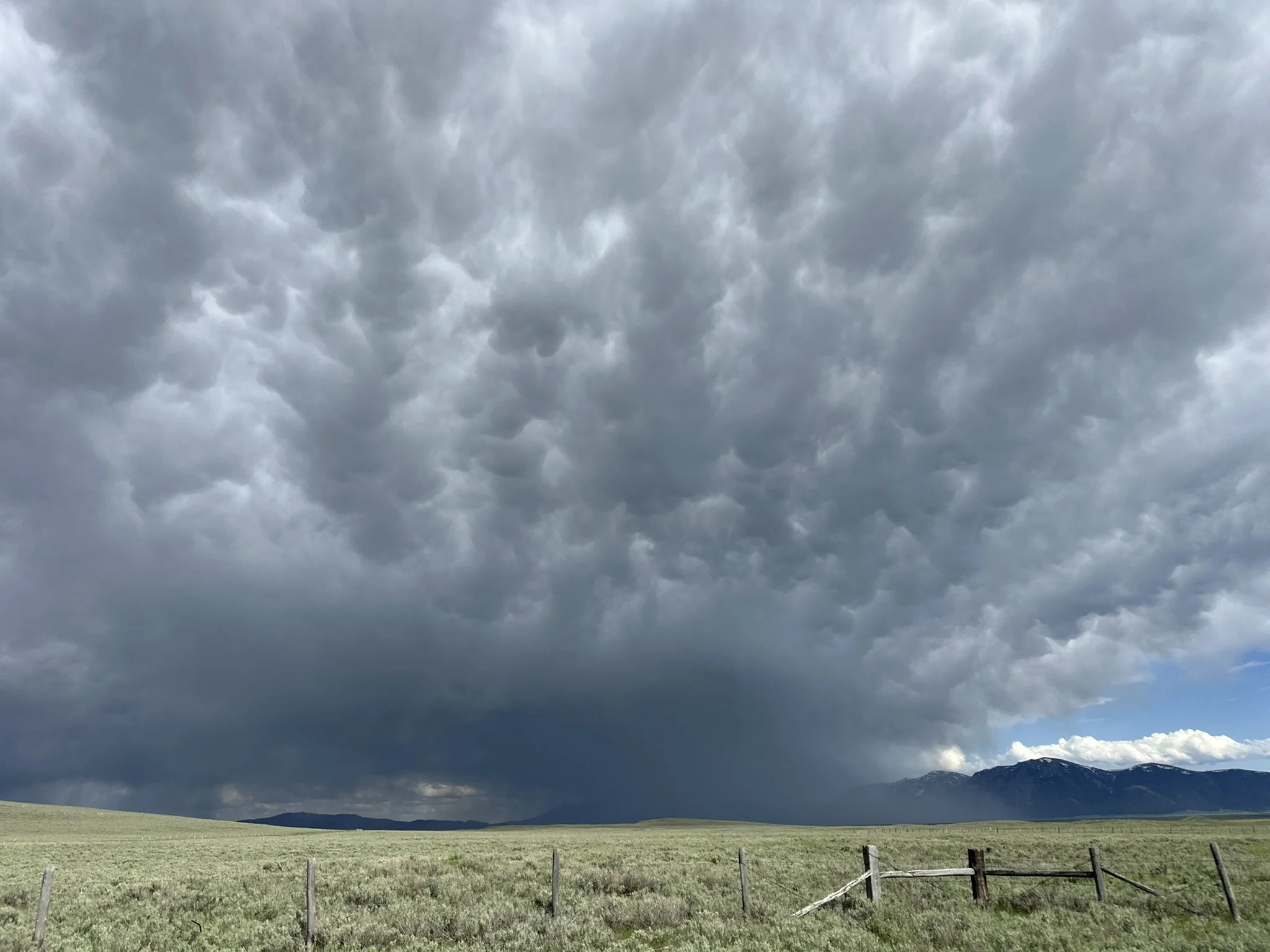
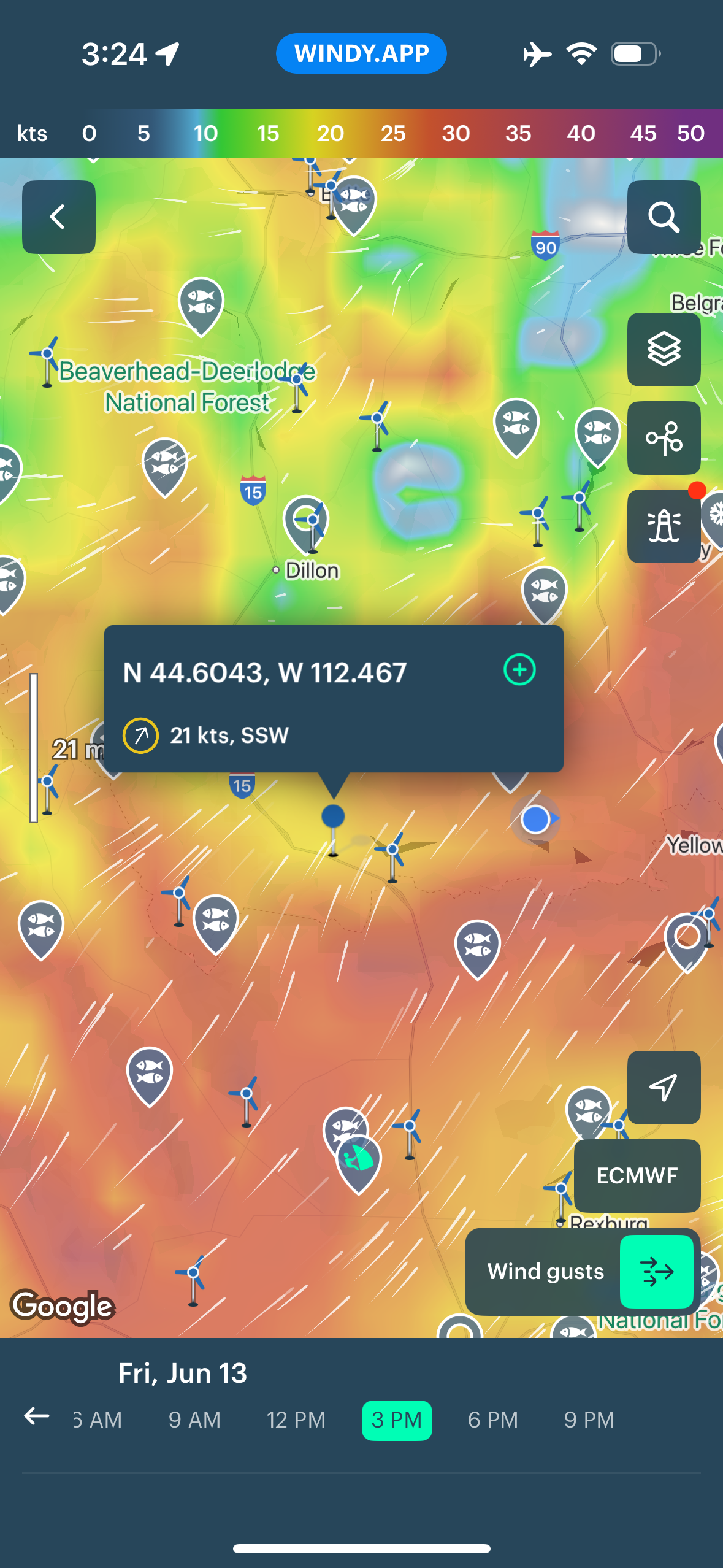
Thorn: As soon as I settled into the rhythm of my work, a cloud bank started to form on the horizon. And then the wind picked up. 10mpr. 15mpr. 30mpr. The kind of wind where you struggle to take a breath. I packed everything up in a panic and mobbed down the mountain on the quad, back to the safety of camp. I have worked through all of my planned days off for the last six weeks due to weather conditions being completely brutal and erratic, and I could see this week would be no different.
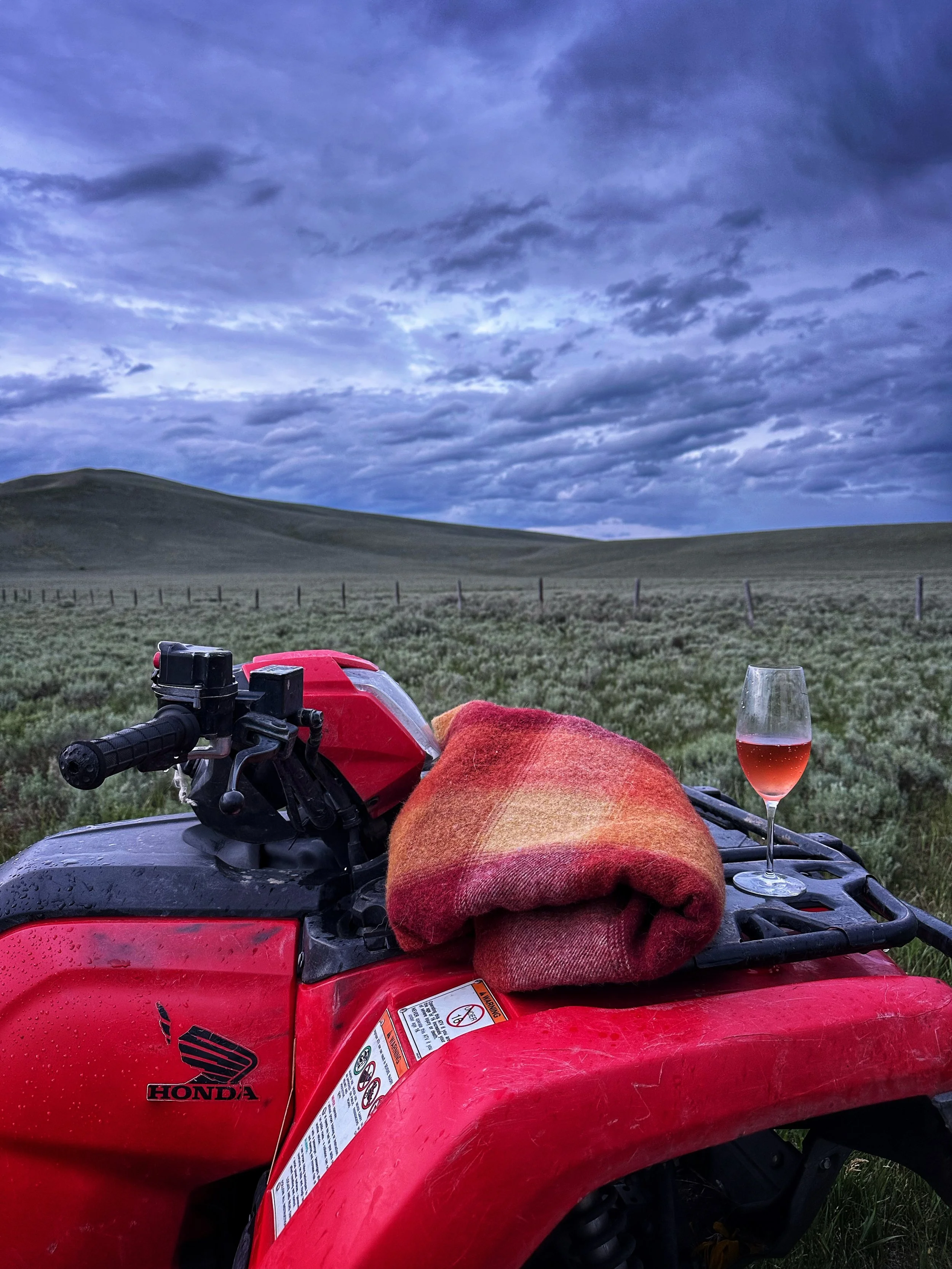
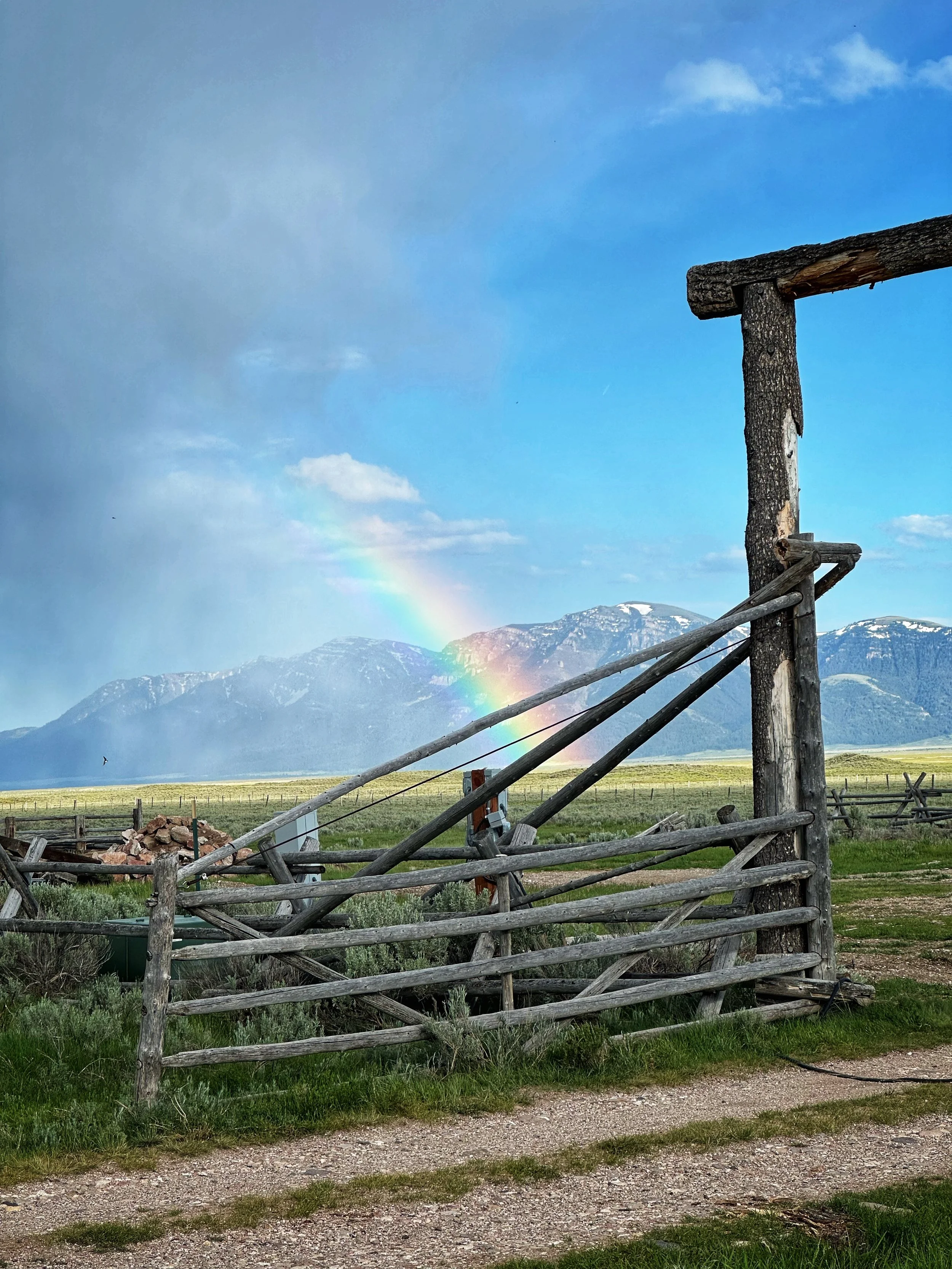
Rose: I posted up on the covered porch of a nearby vacant cabin and watched the show – torrential rains and black skies making it hard to see the closest fence line, then clear blue with a million-dollar view of the Centennial Mountain Range, then more clouds with a shoot of a rainbow. Then the same cycle two more times. I wrapped myself in a wool tartan blanket, had a glass of sparkling rosé, was happy to feel like I was off work for an hour and delighted in the company of Midgie and a mountain blue bird.
Rose: I had a couple more hours before I needed to get to sleep, so I cozied into the van -- caught up on email, entered about 800 lines of data from my last few days at the bison ranch, worked on a newsletter to go out Wednesday, updated a few things on our website, looked through my plant books to ensure that my iNaturalist lists were correct, and created my to-do list for the next day.
And then I went to bed, hungry but full.
Turns out the grass is greener on the other side! In Matt's words, here's an explanation of what you're witnessing in my video above:
"One question I get asked all the time is, “How do you move the bison from one pasture to the next?”
I explain that I “pull” them, I don’t “push” them.
On a pasture move day, I drive out to the herd and get their attention.
I do a whistle / whistle / clap routine over and over — trying to build a Pavlovian response to the whistling and the clapping. It’s a trick I learned from a friend that’s a cattle rancher.
(Side note — if you ever drive by the ranch and see me out with the herd by myself whistling and clapping to them, you can rest assured that, no, I have not completely lost my mind — I’m genuinely communicating with the herd.)
After a certain number of days of grazing, trampling, peeing, and pooping in the current pasture, when I show up to get their attention, the older bison have done this so many times they know exactly what I’m doing.
I then start driving toward the gate — and they start following me — hence the image of me “pulling” them to the next pasture.
The herd instinct in bison is so strong — thousands and thousands of years of evolution have programmed into them that safety and security are with the herd — that the younger bison see the older ones moving and they just instinctively follow them.
Often times when I really have their attention and they’re following me to the gate they will start running and kicking up dust.
It’s quite the sight — and sound (you can literally hear and feel them thundering across the ground).
I then drive through the gate into the next pasture, they follow me, and then I turn around and go close the gate.
This is an example of the “zero stress” management I aim for here."
Commercial beekeepers and USDA Bee Labs did a stellar job of collaborating to get to the root of the issue of what has killed over 60% of commercial beekeeping colonies this year. That's 1.7 million colonies and an estimated financial impact of $600 million.
But what's the solution?
Not a bigger, badder pesticide, sorry to say.
It lies in changing the way we eat.
I’m out here doing this work, all day every day -
But we all have an opportunity to take part.
Here’s our collaborative partners I mention in the video:
https://www.northbridgerbison.com
Here’s the company that I mentioned that will never buy animals who spend any time on a feedlot:
I hate being wrong.
Especially when I find out I’m wrong by watching a group of animals that I deeply love grieve one of their children.
Climate change is wreaking havoc on our natural world in a multitude of ways. Working on the front lines can be brutal, but being here to witness and advocate against the use of even more pesticides being deployed on our flowers, soil, and bees (which is one of the leading factors causing climate change) helps me to feel like this work (living on ranches and directly interacting with decision makers) is useful, valuable, and important.
I don’t have 2 million Instagram followers, I don’t have brand deals, I don’t have million-dollar funders, I don’t have a state-of-the-art lab where I deploy a dozen grad students out to harvest data.
But I do have the ability to hold space for someone in kinship with the land as tears well up in both of our eyes, and maybe this is where the change happens.
Thank you for supporting this work.
Gratitude for being “in flow,” for baby bison messing with my bee traps, and for being in the right place at the right time to herd the herd.
Putting my low-stress livestock handling skills to the test; the ranch manager gave me a B++ 😜
Observations of the lifecycles of bees, birds, and bison and how this flower ties them together
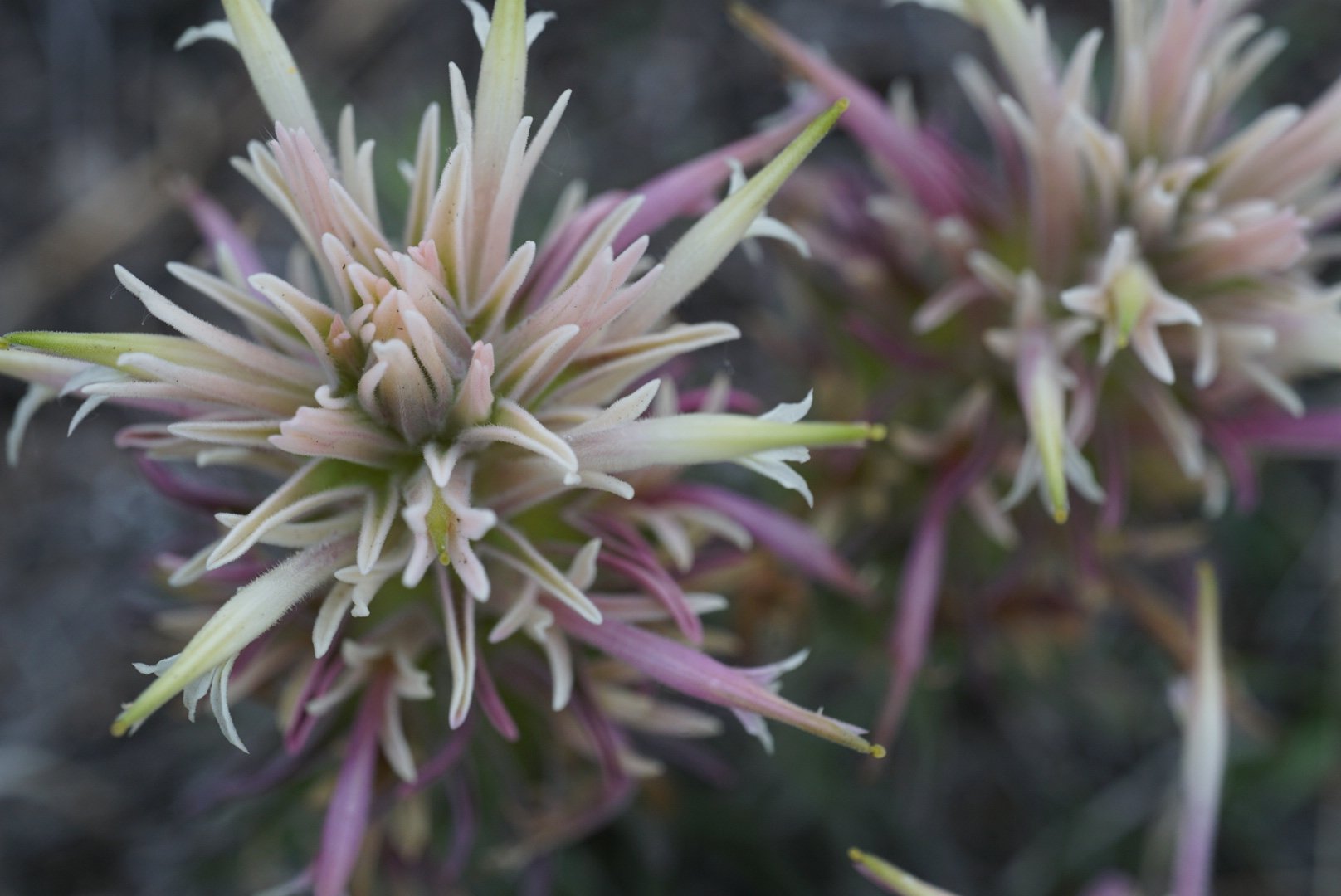
Hello from South Dakota!! Midgie and I arrived about five days ago – and have yet to see a bee here at the Dakota Partnership Ranch. There’s been high winds, drizzle, hail, pounding rain, and a combination of all the above all at once. These are not the conditions bees will fly in. In addition, the night time temps have been getting down to freezing and the day time temps rarely break 60. This results in a chilly soil temperature, keeping the bees in their nests – unaware that “spring” is well underway.
I’m told by one of the ranch managers that this is highly unusual. They have gotten a fraction of their usual rainfall (until the minute I got here) and according to his notes – spring grass growth is about 40 days behind.
This is my fourth year at the ranch on this project, but my first spring. So, I’m not sure what normal is supposed to look like.
In addition to catching up on admin work (I still have a full time office job, even in field season when I have a full time melittologist job) I’ve been getting out on the side-by-side everyday to observe flowers and bison grazing behavior.
Aside from grass - the only plant I’ve seen them munch are the cattails in my “riparian” study plot. The native wildflowers seem to remain untouched. Everyday I’m finding another stash and another stash and yet another of wildflower meadows among the bunch grass, clay hills, and rock outcroppings. So far, I’ve found 30 species of flowers blooming. See what I’ve found on my iNaturalist page here.
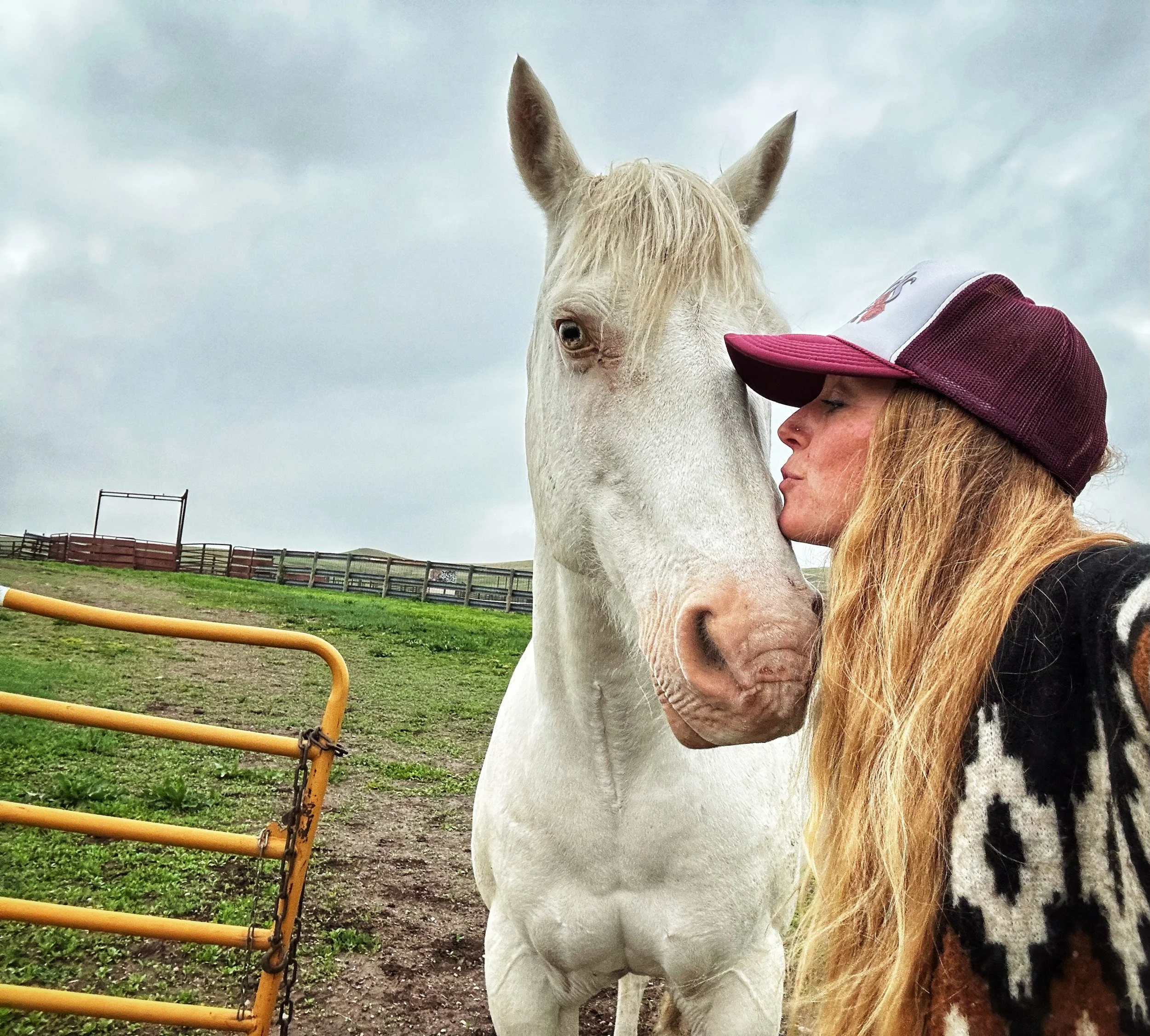
In addition to flowers and bison – I’ve spotted trumpeter swans, coyotes, porcupine, white tailed deer, pronghorn, frogs, toads, turtles, and what seems like a million species of song birds. AND!! My favorite twosome, Snowy and The Governor. Rancher manager, Moritz’s old roping horse and his best friend, a mad old donkey. They roam feral on this 26,000 acre bison ranch, but when Snowy hears my voice he comes running for kisses and scratches in exchange for snuffles and hugs – affection we both so much appreciate, as being a feral wild thing can get lonely sometimes.
Temps are supposed to rise in a few days, and I’ll be set and ready with my net, data sheets, traps, and camera to get to it!
A recap of the highlights for donors that supported my travel to the 2024 Entomological Society of America annual meeting.
A couple of weeks ago I had the great pleasure of presenting on our “Bison and Bee Habitat” project to colleagues at the Entomological Society of America’s 2024 annual meeting. The talk went quite well and it sparked a flurry of interest and offers of research and education collaborations with new university and government partners.
Among the highlights:
- I was able to attend nearly two dozen honey bee and native bee presentations,
- I took an insect macrophotography workshop,
- I attended the opening plenary talk and was completely drawn in by Shawn Otto’s and his message that all entomologists have a role to play in battling the disinformation campaigns in the war against science,
- I connected with my beeple from the beekeeping community that I have worked with and grown with for over a decade, and
- I connected with other researchers working with bison (out of 3,600 entomologists, there were just three of us at the conference!!).
My biggest takeaway, however, is that climate change is a looming and serious threat that is affecting pollinators by gradual long-term warming as well as seasonality shifts. In the short-term -- extreme events such as fire, drought, temperature extremes, and extreme rainfall directly affect their ability to survive. These drivers not only result in instant death, but are also causing concerning range shifts, phenology disruptions, and increased negative species interactions.
Couple this with massive habitat loss due to agriculture and urbanization and the result is an increase in pathogens, decreased fitness and fertility, eventually driving species decline and extinction. This is a very real problem.
Bee Regenerative is part of the solution through building long-term trust-based relationships with ranchers and wine grape growers. We have chosen progressive land stewards with integrity and an impeccable reputation in their communities. They are involved in every step of our research and conservation projects, so we can work together to create and influence more bee-friendly agriculture, which is in-essence a solution to this climate chaos.
Thank you BGO and Bee Regenerative donors for supporting this trip and giving me the opportunity to connect and grow with the scientific community.